Black Friday in United Kingdom
Country-specific marketing context and ideas
Popularity in United Kingdom
In the United Kingdom, “Black Friday” remains very popular in 2026, especially in retail, ecommerce, consumer electronics, fashion, and home categories.
What popularity looks like in the UK in 2026
For UK shoppers, Black Friday is no longer a niche US import—it’s a mainstream seasonal shopping event. By 2026, it is typically:
- Widely recognized by consumers
- Heavily used by major retailers and marketplaces
- Extended beyond a single day into “Black Friday Week” or even longer promotional windows
- Strong online, with ecommerce often leading performance
- Closely linked to Cyber Monday as part of one broader discount period
In practical marketing terms
If you’re assessing keyword or campaign relevance in the UK for 2026, “Black Friday” is generally:
- a high-awareness term
- a high-intent retail phrase
- a seasonal traffic driver
- a competitive promotional keyword
Important nuance
Popularity does not mean every brand benefits equally from using it.
Its effectiveness depends on: - your category - your discount strategy - your audience’s price sensitivity - whether your brand can stand out in a crowded promotional environment
For example: - Electronics, fashion, beauty, home, and marketplaces tend to see strong alignment - Luxury, premium B2B, or non-promotional brands may find the term less valuable or potentially off-brand
If you mean search popularity specifically
If your question is about Google search popularity in the UK for 2026, the term usually shows:
- very strong seasonal spikes in November
- low-to-moderate baseline interest outside peak season
- major competition from related terms like:
- Black Friday deals
- Black Friday sale
- Black Friday UK
- Cyber Monday
Bottom line
For the United Kingdom in 2026, Black Friday is highly popular as a retail and marketing event, especially during November, and it remains one of the most commercially important promotional periods of the year.
If you want, I can also help with one of these: 1. Google Trends-style popularity analysis for the UK 2. SEO keyword opportunities around “Black Friday” in 2026 3. A UK Black Friday marketing forecast by channel
Trends in United Kingdom
Here are the key United Kingdom–specific Black Friday trends for 2026, based on how the event has been evolving in the UK market and what marketers should expect:
1. “Black Friday” is no longer a one-day event in the UK
In the UK, Black Friday has already shifted from a single Friday into a multi-week promotional window, and that pattern is likely to be even more pronounced in 2026.
What this looks like in practice: - “Black Friday Early Access” campaigns launching in early or mid-November - Retailers running staggered deal drops rather than one major peak - “Black Friday Week” and “Cyber Week” messaging replacing single-day urgency - Brands extending promotions through payday periods to match UK consumer cashflow timing
Why it matters to marketers:
Planning for one conversion spike is less effective than building a phased campaign structure across awareness, retargeting, and final urgency pushes.
2. Cost-of-living sensitivity will continue to shape UK shopper behaviour
UK consumers are likely to remain highly price-conscious in 2026, with value perception continuing to outweigh pure brand hype.
Expected UK shopper behaviours: - More price comparison before purchase - Greater responsiveness to clear percentage-off messaging - Stronger engagement with brands that frame deals around practical savings - Increased interest in own-label, refurbished, and bundle-value offers
Marketing implication:
In the UK, “best ever” promotional language may underperform versus messaging that is more concrete:
- “Save £120”
- “Price matched through Black Friday”
- “Last year’s lowest price returns”
This is especially relevant as UK consumers have become more sceptical of inflated pre-sale pricing.
3. Regulatory and trust pressures will keep price transparency in focus
The UK market has seen growing scrutiny around fake discounts, misleading reference pricing, and unclear promotional claims. By 2026, trust signals are likely to be a major differentiator.
Likely trends: - More retailers highlighting previous prices and “was/now” proof points - Increased emphasis on transparent terms, exclusions, and stock messaging - Greater use of customer reviews, delivery assurances, and returns messaging to support conversion - Stronger internal review of promotional claims by legal and compliance teams
For marketers:
Black Friday creative in the UK will need to work harder to prove legitimacy, not just urgency. Trust-building could be just as important as discount depth.
4. Mobile-first shopping will dominate, but conversion pressure will remain high
UK Black Friday traffic is expected to remain heavily mobile-led, especially in categories like fashion, beauty, home, and consumer electronics research.
What’s likely in 2026: - Most top-of-funnel browsing and deal discovery happening on mobile - Higher use of retail apps for exclusive access and push-led re-engagement - Continued drop-off risk at checkout if mobile UX is weak - More brands optimising short-form creative and fast-loading landing pages for deal discovery
What marketers should do: - Prioritise mobile page speed and simplified checkout - Build creative around fast-scanning formats - Use SMS, app alerts, and email in a coordinated way - Reduce friction around delivery costs and returns before checkout
5. Marketplace competition will be particularly intense in the UK
UK shoppers are very comfortable using Amazon, eBay, Argos, Currys, John Lewis, Tesco, and other major retail ecosystems for Black Friday deal comparison. In 2026, that comparison behaviour is likely to intensify.
Expected impact: - More direct brand competition with marketplaces on convenience and price - Higher pressure on brands to differentiate through exclusives, bundles, warranty, loyalty perks, or service - Marketplace visibility becoming a larger part of Black Friday strategy for some brands - Search behaviour focused on “best Black Friday deals UK” and category-specific comparison terms
Marketing takeaway:
For UK campaigns, winning may depend less on having the biggest discount and more on giving consumers a reason to buy from your channel instead of a marketplace.
6. Delivery and fulfilment messaging will be a major conversion lever
In the UK, Black Friday performance often depends not just on price, but on confidence around fulfilment, especially as consumers buy earlier for Christmas.
Key 2026 expectations: - Stronger consumer response to messaging around delivery cut-offs - Greater interest in click-and-collect and local pickup options - Higher conversion when retailers clearly communicate stock availability - More urgency tied to Christmas readiness rather than just Black Friday ending
This is especially relevant in the UK because: - Shoppers are often balancing Black Friday deal-seeking with holiday planning - Delivery disruptions
Cultural significance
In the United Kingdom in 2026, Black Friday is less a traditional holiday and more a major retail and media event that marks the informal start of the Christmas shopping season. Its cultural significance comes from how it blends American retail influence, British consumer habits, and the UK’s increasingly digital shopping culture.
1. An imported event that became mainstream
Black Friday originated in the United States, but in the UK it has evolved into a widely recognized shopping moment over the past decade. By 2026, most British consumers are familiar with it as a period of heavy discounting across:
- electronics
- fashion
- home goods
- beauty
- travel deals
- subscription services
Its cultural significance lies partly in how it reflects the globalization of retail culture. The UK has adopted the event without the Thanksgiving context that exists in the US, so Black Friday in Britain is primarily about commerce rather than tradition.
2. A signal of the Christmas shopping season
In the UK, Black Friday has become a psychological marker for Christmas spending. Many shoppers now use it to:
- buy gifts early
- spread out holiday spending
- secure discounts before December
- compare deals across multiple retailers
This makes Black Friday culturally important because it helps shape the timing of festive consumption. Rather than waiting for pre-Christmas high street shopping, consumers increasingly begin serious gift purchasing in late November.
3. A digital-first shopping phenomenon
One of the biggest reasons Black Friday matters in the UK is that it fits naturally with British e-commerce behavior. By 2026, the event is strongly associated with:
- online deal hunting
- mobile shopping
- app-exclusive promotions
- price comparison tools
- influencer-led product discovery
In cultural terms, Black Friday represents the normalization of algorithm-driven, always-on consumerism. It is not just one day of sales; it often stretches into a week or longer, followed by Cyber Monday. For UK shoppers, this has changed expectations around what a “shopping event” looks like.
4. A reflection of cost-conscious consumer culture
In 2026, Black Friday in the UK also carries significance because it aligns with ongoing consumer sensitivity around value, household budgets, and inflation-aware spending. For many households, it is not only about impulse buying but also about strategic purchasing.
This gives the event a dual cultural meaning: - for some, it is exciting and promotional - for others, it is a practical opportunity to manage expenses
That practical mindset is especially relevant in the UK, where deal-savviness and skepticism toward inflated pricing often shape shopping behavior.
5. A media and marketing spectacle
Black Friday in the UK has become culturally significant because it is also a marketing event, not just a retail one. Brands build campaigns around urgency, exclusivity, and scarcity. Consumers are exposed to:
- countdown campaigns
- early access for loyalty members
- email and SMS promotions
- social media ads
- “best deal” editorial content
For marketers, Black Friday is one of the clearest examples of how commercial events can become part of public culture through repeated promotion and media amplification.
6. Tension between excitement and criticism
Black Friday in the UK is not universally celebrated. It also attracts criticism around:
- overconsumption
- pressure selling
- wasteful purchasing
- questionable discount practices
- environmental impact
That tension is part of its cultural significance. In 2026, many UK consumers are more aware of sustainability issues, and some brands deliberately position themselves against Black Friday with messages around conscious consumption, repair, resale, or charitable giving.
So culturally, Black Friday in the UK represents both: - the appeal of bargain culture - the growing backlash against excessive consumerism
7. Less chaotic than its early image
Earlier UK Black Friday coverage often focused on dramatic in-store scenes and crowd surges. By 2026, the event is more mature and operationally smoother, with much of the activity happening online. This has shifted its cultural image from retail chaos to planned omnichannel promotion.
That evolution matters because it shows how the UK has adapted Black Friday to local shopping preferences: - less about one-day frenzy - more about extended promotional cycles - more convenience-led - more digitally managed
Bottom line
In the United Kingdom in 2026, Black Friday is culturally significant because it functions as:
- a mainstream retail ritual
- a marker for the start of Christmas shopping
- a symbol of Americanized global consumer culture
- a reflection of value-driven spending habits
- a showcase for digital marketing and e-commerce
- a flashpoint for debates about sustainability and overconsumption
For British culture, Black Friday is not a deeply rooted tradition in the historical sense. Its importance comes from how powerfully it shapes
How it is celebrated
In the United Kingdom in 2026, Black Friday is expected to be observed primarily as a major retail shopping event, rather than a cultural holiday or traditional celebration.
What it typically looks like in the UK
- Retail discounts across major categories: electronics, fashion, beauty, homeware, appliances, toys, and travel deals
- Online-first promotions: most activity now happens on e-commerce sites rather than through in-store crowds
- Extended sales periods: many UK retailers start promotions days or even weeks before the actual Friday
- Heavy marketing campaigns: email, paid social, SMS, affiliate marketing, and homepage takeovers are common
- Cyber Monday follow-through: the event usually rolls into the weekend and ends with additional online offers on Cyber Monday
Is it “celebrated” like a holiday?
Not really. In the UK, Black Friday is not a public holiday and is not celebrated with customs, decorations, or family traditions. It’s mainly treated as: - a discount-shopping opportunity for consumers - a peak promotional period for retailers - the unofficial start of intense Christmas shopping
Typical consumer behaviour in the UK
By 2026, UK shoppers would likely: - compare prices carefully due to ongoing cost-of-living sensitivity - research deals in advance - shop via mobile devices - look for trusted brands and genuine discounts - spread purchases across Black Friday week rather than buying only on the day
Typical retailer behaviour in the UK
Retailers in the UK usually: - launch teaser campaigns early - offer limited-time discounts and flash deals - use urgency messaging such as countdowns and low-stock notices - combine Black Friday with loyalty offers or exclusive member access - balance margin protection with aggressive promotional visibility
In short
In the UK, Black Friday in 2026 would typically be marked by widespread retail promotions and online deal-hunting, not by traditional celebration. It’s best understood as a commercial event tied closely to Christmas shopping and digital marketing activity.
If useful, I can also break down how Black Friday in the UK differs from the US or outline consumer trends UK marketers should expect in 2026.
Marketing advice
For Black Friday 2026 in the UK, start campaigns by late October and build momentum through the full payday window, as many shoppers begin comparing prices well before the final weekend in November. Lead with clear, credible savings and make sure any reference pricing complies with CMA guidance, while aligning email, paid social, SMS, and onsite messaging around fast delivery, easy returns, and mobile-first checkout. Use audience segments such as early planners, deal seekers, and lapsed customers to vary offers, and prepare inventory plus customer service for peaks across both Black Friday and Cyber Monday.
Marketing ideas
For Black Friday 2026 in the UK, run a “price-drop calendar” in the week leading up to 27 November, revealing a new deal each day across email, SMS, and paid social to build momentum and repeat visits. Pair it with a limited-time VIP early-access window for loyalty members, giving them first pick of stock and an exclusive gift-with-purchase to increase sign-ups and retention.
You could also lean into UK shopping behaviour with “click-and-collect exclusives” for high-street locations and a strong mobile-first campaign timed around commuter hours, when audiences are most likely to browse offers. Add urgency with low-stock messaging, countdown timers, and retargeting ads featuring the exact products users viewed but didn’t buy.
Marketing channels
For Black Friday 2026 in the UK, the most effective channels are email, paid social, search, and affiliate/price-comparison sites. Email drives fast, high-intent conversions from existing customers, while paid social on Meta, TikTok, and YouTube is strong for urgency, retargeting, and creative-led product discovery. Search captures shoppers actively looking for deals, especially through Google Shopping and branded/non-branded terms, and affiliate networks plus voucher and comparison sites perform well because UK consumers heavily use them to validate discounts before buying.
Marketing examples
Here’s a strong hypothetical Black Friday 2026 campaign example for the UK market, designed to feel realistic, commercially effective, and relevant for marketing professionals.
Example Black Friday Campaign: John Lewis – “The Wish List Weekend”
Market: United Kingdom
Type: Hypothetical campaign for Black Friday 2026
Sector: Retail / Department Store / E-commerce
Campaign Overview
For Black Friday 2026, John Lewis launches “The Wish List Weekend”, a campaign built around a simple customer insight: UK shoppers are increasingly overwhelmed by deep-discount messaging and endless product choice. Instead of leading only with price cuts, the campaign positions Black Friday as a smarter, more curated shopping event.
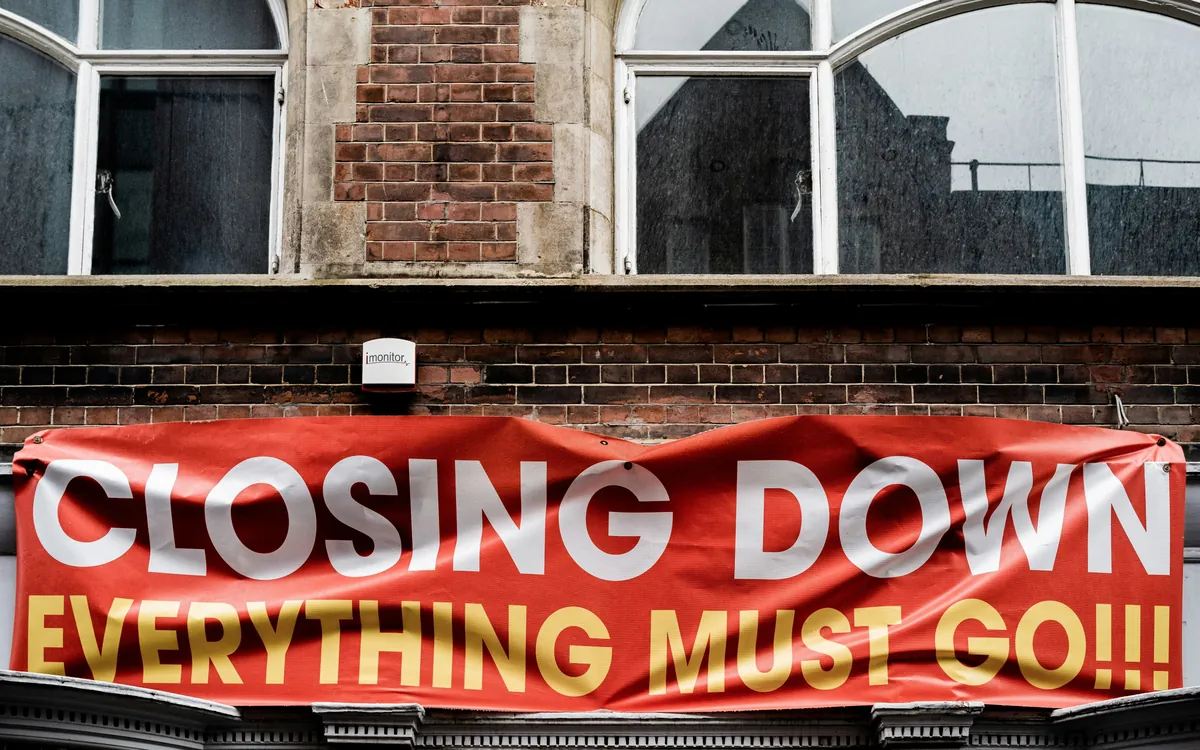
The idea is to help customers build, share, and shop personalised wish lists ahead of Black Friday, then unlock tailored offers during the promotional weekend. This creates a more premium, service-led alternative to the usual “everything must go” approach.
Core Objectives
- Increase Black Friday revenue across online and in-store channels
- Grow app engagement and first-party data capture
- Drive higher average order value through personalised product bundles
- Protect brand equity by avoiding a purely discount-led message
- Boost repeat purchase intent heading into the Christmas period
Target Audience
Primary
- UK families aged 30–55
- Middle- to higher-income households
- Existing John Lewis shoppers looking for trusted gifting, home, beauty, and tech offers
Secondary
- Younger professionals aged 25–35
- Digital-first shoppers comparing premium retailers during Black Friday
- Christmas gift planners seeking convenience and confidence in purchase decisions
Key Insight
Black Friday in the UK is crowded, noisy, and often stressful. Many shoppers don’t want “more deals”; they want better decisions. A retailer that helps them shop efficiently, confidently, and with some sense of control can win attention without needing to be the cheapest in the market.
Big Idea
“Don’t chase deals. Build your wish list, and let the best offers come to you.”
Instead of asking customers to browse thousands of discounted SKUs in real time, the campaign encourages them to create a curated wish list in advance via the app or website. During Black Friday weekend, those customers receive personalised alerts when saved items or related categories go on offer.
This shifts the campaign from reactive bargain-hunting to proactive shopping planning.
Campaign Components
1. Pre-Black Friday Teaser Phase
Timing: 3 weeks before Black Friday
Activity:
- Email and app push invite customers to create a Christmas and Black Friday wish list
- Paid social and YouTube video showcase the emotional tension of modern seasonal shopping: too many tabs open, too many offers, too little time
- Homepage takeover promotes “Build your Wish List Now”
- In-store signage encourages customers to scan products into their digital list
Messaging:
- “Plan now. Shop smarter later.”
- “Your Black Friday starts with your wish list.”
- “Save what you love. We’ll tell you when the time is right.”
Marketing value:
This stage captures intent data before competitors fully intensify their Black Friday activity.
2. Personalisation Engine
Customers who create lists are segmented by category interest:
- Home and kitchen
- Beauty
- Fashion
- Toys
- Consumer electronics
- Premium gifting
A recommendation engine then builds:
- Product reminders
- Complementary bundles
- Category-based deal alerts
- Dynamic email content
- App notifications tied to list items and browsing behaviour
Marketing value:
The retailer uses Black Friday not just to sell, but to enrich first-party audience profiles ahead of Christmas.
3. Black Friday Launch Weekend
Timing: Thursday evening through Cyber Monday
Offer Structure:
- Personalised discounts on selected wish-listed items
- “Complete the List” bundles such as coffee machine + pods + mugs
- Limited-time app-exclusive offers
- Early access for loyalty members
- Premium delivery upgrades for basket thresholds
Creative direction:
Unlike aggressive discount campaigns that rely on urgency alone, the visual identity is calmer and more premium:
- Black, white, and gold palette
- Clean product-led imagery
- Messaging focused on “thoughtful shopping” rather than chaos
Example hero copy:
- “Your saved favourites. Now at their best prices.”
- “Black Friday, tailored to you.”
- “Less scrolling. Better shopping.”
4. Omnichannel Integration
To make the campaign feel seamless in the UK retail context:
Online:
- AI-powered wish list recommendations
- Countdown timers on saved products
- Real-time stock messaging
App: