United Kingdom
There isn’t a reliable way to know how popular “International Women’s Day” will be in the United Kingdom in 2026 with certainty ahead of time, but it’s possible to make a strong planning estimate.
Short answer
In the UK, International Women’s Day (IWD) is typically highly visible and widely recognized, especially among: - brands and marketers - employers and HR teams - media outlets - public sector organizations - schools, universities, and nonprofits
For 2026, it’s reasonable to expect IWD to remain very popular as a cultural and marketing moment, with strong activity around 8 March 2026.
What “popularity” usually looks like in the UK
If you’re evaluating this from a marketing perspective, popularity often shows up in:
-
Search interest
UK search activity for “International Women’s Day” usually spikes sharply in late February and early March. -
Social conversation
Hashtags and campaign activity increase significantly around the event, especially on LinkedIn, Instagram, X, and TikTok. -
Brand participation
Many UK brands, especially in retail, beauty, finance, education, and professional services, publish campaigns, events, statements, or employee-led content. -
Media coverage
UK news outlets regularly cover IWD themes such as equality, leadership, pay gap reporting, women in sport, health, and workplace inclusion. -
Corporate and internal comms activity
A large share of employers mark the day through talks, panels, CSR initiatives, and DEI messaging.
Likely level of popularity in 2026
A practical forecast would be:
- General public awareness: high
- Marketing and media relevance: very high
- Commercial campaign activity: high
- Search and social spike around the date: very high
- Sustained attention outside the event window: moderate
So if your question is whether it will be a meaningful moment for campaigns in the UK in 2026, the answer is yes.
Important caveat for marketers
IWD is popular, but it’s also high-scrutiny. UK audiences tend to respond better to campaigns that are: - specific rather than generic - backed by real action - relevant to the brand’s role - inclusive and evidence-based
Performative messaging can attract criticism, especially if a brand’s internal practices don’t support its external claims.
How to validate popularity closer to 2026
If you need a data-backed view, check these sources closer to the date: - Google Trends for UK search interest - TikTok Creative Center or platform trend tools - LinkedIn content performance on IWD-related topics - Brandwatch, Meltwater, Talkwalker, or Sprout Social for UK social mentions - UK media databases for coverage volume - Google Ads Keyword Planner for search demand estimates
Bottom line
For the United Kingdom in 2026, International Women’s Day is expected to be a very popular and high-visibility awareness moment, particularly for brands, employers, and media. If you’re planning content or campaigns, it’s a strong opportunity—but one that requires substance and authenticity.
If you want, I can also help with:
1. a UK-specific 2026 IWD campaign forecast,
2. expected search trends, or
3. a marketing content calendar around 8 March 2026.
Here are the most relevant United Kingdom–specific trends for International Women’s Day (IWD) in 2026, with a marketing lens on what’s shaping campaigns, participation, and audience expectations.
1) The UK will continue to anchor IWD around workplace equity, not just celebration
In the UK, IWD messaging has increasingly moved away from generic empowerment language and toward evidence-backed discussion of structural inequality. In 2026, that’s likely to remain central.
Key UK themes likely to dominate: - Gender pay gap transparency - Women in leadership - Flexible working and return-to-work support - Menopause policies - Maternal health and motherhood penalties - Intersectionality, especially around race, disability, and socio-economic background
For UK audiences, campaigns that only say “celebrating women” can feel dated or superficial. Brands and employers are expected to show: - what they’ve changed, - what they’re funding, - what progress they’ve measured, - and where gaps still remain.
2) Employer brands in the UK will use IWD as a proof point for DEI credibility
In the UK market, IWD has become a major moment for employer branding. By 2026, this will be even more pronounced, especially in sectors with persistent gender imbalance: - finance - tech - engineering - construction - law - media - healthcare leadership
What’s trending: - Publishing internal data snapshots on representation and progression - Spotlighting female leaders and early-career talent - Sharing policy-led storytelling around flexible work, caregiving, fertility, and menopause - Using IWD to reinforce recruitment messaging
The UK audience, especially on LinkedIn, tends to respond well to campaigns that connect people stories with policy action. Purely symbolic gestures often attract skepticism.
3) UK brands will face stronger scrutiny over “performative” IWD activity
One of the clearest UK trends is the backlash against: - one-day-only campaigns, - logo changes without action, - panel events with no follow-up, - or product promotions loosely tied to women’s empowerment.
In 2026, brands operating in the UK will likely be judged on whether IWD activity aligns with: - year-round gender equity commitments, - transparent reporting, - inclusive hiring and promotion practices, - and support for women employees and customers.
This means the most effective UK campaigns will likely include: - partnerships with charities or community organisations, - measurable donation commitments, - long-term initiatives, - or practical resources rather than just celebratory messaging.
4) LinkedIn will remain the dominant UK B2B channel for IWD
In the UK, IWD performs especially strongly on LinkedIn, where professional identity, employer reputation, and thought leadership intersect.
Common high-performing UK content formats: - leadership POV posts on workplace change, - short employee-video features, - carousel posts with data and key stats, - event recap content, - allyship guidance, - and practical career advice for women.
For marketers, this means IWD in the UK is not just a brand campaign moment; it’s a reputation and credibility moment. Audiences expect substance, executive visibility, and relevance to working life.
5) Regional UK activation will matter more than London-centric campaigns
Although many IWD campaigns in the UK still center on London, there is growing attention to regional representation across: - Scotland - Wales - Northern Ireland - Northern England - Midlands - South West
In 2026, campaigns that reflect the realities of women across different UK regions are likely to stand out more. This is especially true for sectors tied to local communities, public services, education, retail, and regional employers.
What this looks like: - local event partnerships, - regional employee voices, - place-based storytelling, - and recognition of differing economic and social experiences across the UK.
6) UK conversations will continue to broaden beyond corporate leadership to everyday economic realities
A notable UK trend is the widening of IWD themes beyond “women at the top” to include issues affecting women more broadly: - cost-of-living pressures - childcare affordability - financial resilience - pensions gaps - part-time work penalties - women’s health access - safety in public spaces
For consumer brands in particular, this creates an opportunity to connect with women’s lived experiences in a more grounded way. The most resonant campaigns in the UK are increasingly those that feel socially literate and practically useful, rather than aspirational in a vague way.
7) Women’s sport will be a stronger IWD brand territory in the UK
The UK’s growing investment and public interest in women’s sport has created a meaningful IWD activation space. By
In the United Kingdom, International Women’s Day (IWD) 2026, observed on Sunday, 8 March 2026, is likely to carry strong cultural significance as both a celebration of women’s achievements and a public moment for reflection, advocacy, and brand storytelling.
What it means culturally in the UK
1. A day rooted in both celebration and activism
In the UK, International Women’s Day is not treated only as a symbolic calendar event. It has a dual identity:
- Celebrating women’s social, cultural, economic, and political contributions
- Highlighting ongoing gender inequalities, including pay gaps, underrepresentation in leadership, unpaid care burdens, and safety concerns
That balance matters in British culture. Many organisations, institutions, schools, charities, and media outlets use the day to honour progress while also acknowledging that equality remains unfinished.
2. A highly visible moment in public life
IWD has become a mainstream cultural moment in the UK. By 2026, it is expected to remain widely marked across:
- Workplaces
- Universities and schools
- Local councils and public institutions
- Charities and advocacy groups
- Media and entertainment
- Consumer brands and retailers
Panels, talks, exhibitions, networking events, community marches, and editorial features are common. Social media also plays a major role, helping amplify women’s stories and debates around representation, inclusion, and equity.
3. A reflection of the UK’s evolving conversations on equality
The significance of IWD in the UK is shaped by broader national conversations around:
- Gender equality in business and politics
- Intersectionality
- Women’s healthcare and reproductive rights
- Violence against women and girls
- Representation of women in sport, media, and culture
- Support for trans and non-binary inclusion, depending on the context of the event or organisation
In practice, this means IWD in the UK often reflects not just “women’s empowerment” in a generic sense, but the more specific tensions, priorities, and debates present in British society at that time.
4. A platform for British institutions to demonstrate values
For many UK organisations, IWD is also a cultural test of credibility. Audiences increasingly expect action, not just messaging.
That means the day often prompts scrutiny of whether companies and public bodies are:
- Promoting women into leadership
- Publishing gender pay gap data
- Supporting flexible working and caregiving responsibilities
- Addressing workplace harassment
- Creating inclusive cultures for women from different backgrounds
In the UK context, performative campaigns can attract criticism quickly, especially if public messaging is not matched by internal policy or measurable progress.
Why IWD 2026 may feel especially relevant
While the exact cultural mood will depend on events closer to March 2026, several factors are likely to keep the day prominent in the UK:
1. Continued focus on workplace equality
Issues such as equal pay, board representation, parental leave, and career progression remain central in the UK. IWD provides a focal point for employers and the media to revisit these topics.
2. Growing expectation for intersectional representation
British audiences are increasingly attuned to the fact that women are not a single, uniform group. Campaigns that acknowledge race, class, disability, sexuality, age, religion, and migration background tend to feel more culturally relevant and credible.
3. The role of younger generations
Gen Z and younger millennials in the UK often engage with IWD through a sharper lens, questioning tokenism and pushing for systemic change. This influences how brands, universities, and employers communicate.
4. Community and local identity
In many parts of the UK, IWD is not just a national media event. It has strong local expression through community centres, women-led networks, arts venues, libraries, and councils. This gives it a grassroots cultural resonance beyond corporate campaigns.
The UK-specific cultural tone
International Women’s Day in the UK tends to sit at the intersection of:
- Commemoration
- Campaigning
- Education
- Institutional accountability
- Public celebration
It is often less purely celebratory than some awareness days and more closely tied to public discourse about fairness, rights, and social progress.
For marketers and communicators
In the UK, IWD 2026 will likely be culturally significant not just because people notice it, but because they evaluate how organisations show up. The most effective participation typically includes:
- Real women’s voices rather than stock empowerment messaging
- Tangible commitments or reporting
- Historical and cultural awareness
- Inclusive storytelling
- Year-round follow-through
For UK audiences, relevance comes from sincerity and substance.
In short
In the United Kingdom, International Women’s Day 2026 will likely be culturally significant as a **major national moment for celebrating
In the United Kingdom in 2026, International Women’s Day (IWD) will be marked on Sunday, 8 March 2026, as it is every year on 8 March.
Typical celebrations in the UK usually combine public events, workplace activity, community campaigns, and media coverage rather than being treated as a public holiday. Here’s what that usually looks like:
Common ways International Women’s Day is celebrated in the UK
1. Conferences, panels, and networking events
Businesses, charities, universities, and professional groups often host:
- leadership panels featuring women in business, politics, sport, media, and activism
- networking breakfasts or brunches
- talks on gender equality, career progression, and representation
- mentoring events for students and early-career professionals
2. Workplace campaigns and internal events
Many UK employers mark the day through:
- employee resource group events
- spotlight campaigns celebrating women across the organisation
- internal communications highlighting achievements and inclusion goals
- workshops on topics such as equity, leadership, pay gaps, and allyship
For marketers, this often becomes a moment for brand storytelling, employer branding, and values-led campaigns.
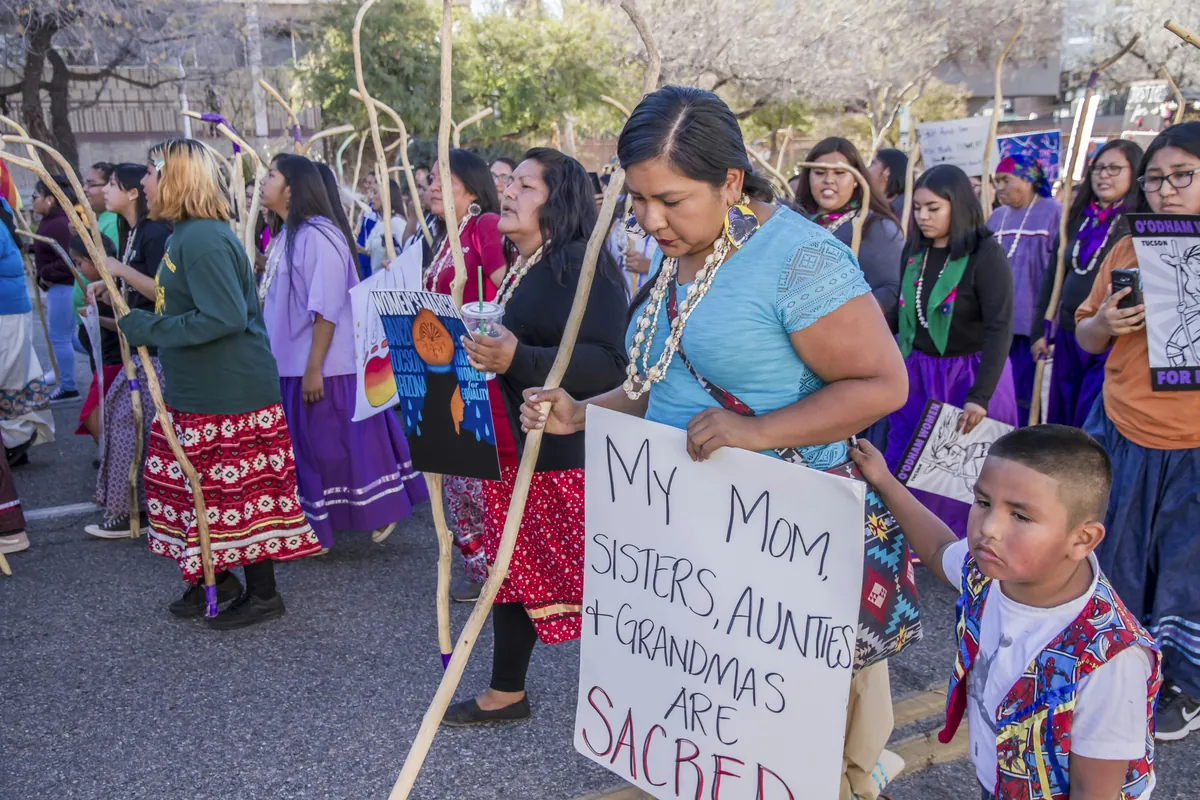
3. Marches, rallies, and activism
In larger cities such as London, Manchester, Birmingham, Glasgow, Cardiff, and Belfast, there are often:
- marches or demonstrations
- feminist activism events
- fundraising initiatives
- community-led discussions focused on women’s rights and policy issues
Themes often include: - gender pay inequality - violence against women and girls - reproductive rights - women’s health - intersectionality and representation
4. Cultural events and community celebrations
Museums, libraries, local councils, bookshops, and arts venues may organise:
- exhibitions about women’s history
- film screenings
- poetry readings
- theatre performances
- community workshops
- school and university activities
5. Charity and fundraising activity
Charities and advocacy groups often run campaigns tied to:
- domestic abuse support
- girls’ education
- women’s health
- economic empowerment
- global gender equality
6. Social media campaigns
Across the UK, brands, public figures, nonprofits, and institutions usually participate through:
- storytelling posts
- video campaigns
- employee spotlights
- educational content
- hashtag-led engagement tied to the year’s global IWD theme
Important UK context
In the UK, International Women’s Day is generally observed, not officially a bank holiday. That means most celebrations happen through: - planned events over the surrounding week - weekend community activities - workplace activations on the nearest working day if 8 March falls on a weekend, as it does in 2026
So in 2026, many offices, schools, and organisations may choose to hold their main events on Friday 6 March or during the week before/after.
What marketers should expect in 2026
For marketing professionals in the UK, the day is typically used as a moment to: - highlight women’s achievements in a credible way - support female employees, founders, or customers - partner with relevant charities or communities - publish thought leadership around equity and inclusion - avoid tokenistic “purple-washing” by backing messages with real action
The strongest UK campaigns tend to feel: - authentic - specific - inclusive - backed by evidence or commitment - connected to real women’s experiences rather than generic empowerment messaging
If helpful, I can also give you:
1. a UK-specific International Women’s Day campaign ideas list for 2026, or
2. a short calendar of likely IWD-related events and marketing opportunities in the UK.
For International Women’s Day 2026 in the UK, build campaigns around genuine action rather than one-day messaging by spotlighting measurable commitments such as pay gap progress, mentorship programmes, or women-led product and leadership stories. Align with UK audience expectations by using inclusive, intersectional representation and avoid “purplewashing” by partnering with relevant charities, community groups, or female founders in ways that create visible local impact. If you’re running promotions, tie them to a clear purpose and publish the results afterwards, as UK consumers and B2B buyers respond better to transparency and substance than symbolic support alone.
For International Women’s Day 2026 in the UK, run a campaign that spotlights women in your business and community through short-form video interviews, paired with a donation or profit-share for a UK women’s charity such as Women’s Aid or The Fawcett Society. Create a limited-time event or content series around the 2026 theme once announced—such as a panel, workshop, or LinkedIn Live featuring female leaders, customers, or creators—with a branded hashtag and user-generated content element to drive reach. You could also partner with a women-owned UK business on a co-branded product, giveaway, or bundle, and support it with email storytelling and paid social targeted around 8 March.
In the United Kingdom, the most effective channels for International Women’s Day 2026 are social media, email, PR/media partnerships, and in-person or hybrid events. Social platforms like LinkedIn, Instagram, and TikTok are strong for storytelling, community engagement, and influencer amplification; email works well for mobilising existing audiences with campaigns or event invites; PR and publisher partnerships help brands tap into broad national conversation and credibility; and events create high-engagement moments that connect purpose with real-world action.
Here’s a strong hypothetical International Women’s Day 2026 campaign for the UK that would feel credible, timely, and effective for a modern brand.
Example Campaign: “Make Space”
Brand: Tesco (hypothetical)
Market: United Kingdom
Occasion: International Women’s Day 2026
Campaign type: Integrated brand campaign with social impact, in-store activation, PR, creator partnerships, and community engagement
Campaign idea
The campaign centres on a simple but powerful message: women shouldn’t have to fight to be heard, safe, seen, or supported — society should make space for them.
“Make Space” would connect Tesco’s everyday role in British life with practical support for women in communities across the UK. Rather than leaning on generic empowerment messaging, the campaign would focus on visible actions: - funding local women’s centres - expanding access to period products in community locations - supporting flexible return-to-work programmes - spotlighting women-led suppliers and small businesses
This makes the campaign more than a one-day brand statement. It becomes a platform for measurable community impact.
Strategic objective
The campaign would aim to:
1. Strengthen brand trust by showing tangible commitment to women in UK communities
2. Increase positive brand sentiment around Tesco’s role as a socially responsible retailer
3. Drive earned media and social conversation around International Women’s Day
4. Support commercial performance through featured women-led products and purpose-led merchandising
Target audience
Primary
- Women aged 25–54 in the UK
- Family decision-makers
- Socially conscious shoppers who expect brands to back words with action
Secondary
- Gen Z and younger millennials who engage with cause-led content
- Tesco employees
- Local communities, charities, and policymakers
- Media and influencers covering social issues, retail, and culture
Core insight
Many International Women’s Day campaigns in the UK are seen as performative. Audiences are increasingly sceptical of one-off social posts and limited-edition packaging. They respond better when brands: - acknowledge structural challenges - give women a platform - commit resources - report outcomes clearly
The opportunity is to create a campaign that is both emotionally resonant and operationally credible.
Key message
Make Space for women — in business, in communities, in public life, and in everyday opportunities.
Supporting messages: - Make space for women’s voices - Make space for safety and dignity - Make space for women-led enterprise - Make space for real progress, not just celebration
Campaign execution
1. Hero film
A 60-second brand film launches across TV, VOD, YouTube, and social.
Creative approach
The film shows everyday moments across the UK where women are interrupted, overlooked, squeezed out, or carrying invisible labour: - a young woman in a meeting being talked over - a mother doing the “second shift” at home - a female founder packing products late at night - a teenage girl quietly asking for period products - a woman returning to work after caregiving
The scenes then shift. Colleagues pause and listen. Shelves feature women-led brands. Community spaces open. Support becomes visible. The closing line:
“This International Women’s Day, let’s do more than celebrate women. Let’s make space.”
Why it works
It taps into real experiences without becoming overly bleak, and positions the brand as enabling practical change.
2. Women-led supplier spotlight
Tesco creates a dedicated “Women Built Britain” in-store and online feature for March 2026.
Activation
- endcap displays featuring women-led food, beauty, and household brands
- QR codes linking to founder stories
- homepage takeovers on Tesco.com and app
- limited in-store signage explaining that a portion of featured sales supports local women’s organisations
Marketing value
This gives the campaign a commercial engine while aligning product discovery with purpose.
3. Community impact programme
For every featured women-led product purchased in March, Tesco donates to a national fund supporting: - women’s shelters - employability programmes - girls’ confidence and education initiatives - community access to free period products
Tesco also launches 100 “Make Space Grants” for women’s charities and grassroots groups across the UK.
Why it matters
The grants create local relevance, strong PR stories, and tangible proof that the campaign extends beyond brand storytelling.
4. In-store “Make Space” installations
Selected Tesco stores host interactive boards where customers can nominate: - a local woman making a difference - a women-led small business - a community group needing support
These stories are then amplified on Tesco’s regional