Plastic Free July in United Kingdom
Country-specific marketing context and ideas
Popularity in United Kingdom
I can’t verify 2026 popularity for “Plastic Free July” in the United Kingdom because 2026 data isn’t available to me in real time.
What I can say is:
- Plastic Free July is well established in the UK and has had strong recognition for several years, especially among:
- environmentally conscious consumers
- sustainability-focused brands
- local councils, schools, and charities
-
retailers promoting reusable or low-waste products in July
-
In the UK, it tends to show up through:
- seasonal campaign activity from eco brands and supermarkets
- social media participation
- PR and community events
- content marketing tied to sustainability goals
If you’re asking from a marketing perspective
A practical way to estimate its 2026 popularity in the UK is to look at:
-
Google Trends - Search for “Plastic Free July” with region set to United Kingdom - Compare 2026 against 2025 and 2024 - Check whether interest spikes mainly in late June and July
-
Social listening tools - Track mentions on LinkedIn, Instagram, X, TikTok, and Facebook - Measure hashtag volume, engagement, sentiment, and share of voice
-
News and PR coverage - Count UK media mentions during June–July 2026 - Review whether major retailers or national organizations participated
-
Retail and brand participation - Look for UK campaigns from supermarkets, zero-waste brands, household goods companies, and NGOs
-
Search volume tools - Use tools like Google Ads Keyword Planner, SEMrush, or Ahrefs for UK monthly search estimates
Likely takeaway
If past patterns continue, Plastic Free July will probably remain a recognizable sustainability moment in the UK in 2026, but likely as a niche-to-mainstream awareness event rather than a mass cultural moment on the scale of Christmas, Black Friday, or Earth Day.
If you want, I can also help you: - estimate its popularity using a UK marketing relevance framework - compare Plastic Free July vs Earth Day vs World Environment Day in the UK - build a 2026 UK campaign brief around it
Trends in United Kingdom
Here are the most likely United Kingdom–specific trends for Plastic Free July in 2026, based on the UK’s policy direction, retail landscape, consumer behavior, and brand marketing patterns.
1. A stronger shift from awareness to “proof of impact”
In the UK, Plastic Free July has been moving beyond general sustainability messaging into more measurable claims. In 2026, brands are likely to focus less on broad “plastic-free” language and more on:
- grams or tonnes of plastic removed
- percentage reduction in packaging
- refill or return rates
- household participation numbers
- reuse frequency and repeat behaviour
This matters in the UK because consumers, retailers, and regulators are all becoming more skeptical of vague environmental claims. Campaigns that show hard evidence are likely to outperform those built only around purpose-led storytelling.
2. Retail-led refill and reuse activation will stay highly visible
The UK remains one of the strongest markets in Europe for supermarket-led sustainability behavior change. During Plastic Free July 2026, expect major UK grocery and health-and-beauty retailers to continue using the moment to spotlight:
- refill stations
- reusable packaging trials
- loose produce ranges
- concentrated products
- own-brand packaging reduction initiatives
The UK angle is important here: supermarkets still play an outsized role in shaping household habits. Plastic Free July often becomes a retail media moment as much as an environmental campaign, especially when chains promote easy swaps consumers can make weekly.
3. Local councils and community groups will likely drive hyperlocal participation
In the UK, Plastic Free July tends to gain traction through local ecosystems, not just national brands. Expect 2026 activity to be especially visible through:
- council-backed waste reduction campaigns
- zero-waste shop collaborations
- school participation drives
- beach-clean and river-clean events
- town-centre “plastic free community” promotion
This local angle is particularly strong in the UK because community-led environmental action is often tied to place identity, from coastal towns to London borough initiatives. Brands that partner credibly at community level may see better engagement than those relying only on national social campaigns.
4. Hospitality and takeaway packaging will remain a UK flashpoint
One specifically UK-relevant trend is the continued focus on foodservice packaging. Plastic Free July 2026 will likely feature strong attention on:
- takeaway containers
- coffee cup and lid alternatives
- cutlery and condiment sachets
- delivery packaging
- reuse models for eat-in and takeaway
The reason is practical: UK consumers encounter single-use plastics heavily in convenience food, meal delivery, and coffee culture. For restaurants, cafés, and QSR brands, Plastic Free July is likely to be a key moment to test messaging around reusable incentives and lower-plastic packaging.
5. More scrutiny around green claims in brand campaigns
The UK is likely to be one of the more sensitive markets in 2026 when it comes to sustainability communications risk. Plastic Free July campaigns will probably be shaped by stronger caution around:
- “plastic free” claims where some plastic remains in the supply chain
- “biodegradable” and “compostable” wording without infrastructure context
- overstating recyclability
- implying a product is broadly sustainable just because plastic use has been reduced
For marketers, this means UK campaigns may become more qualified, specific, and educational. Expect better-performing brands to explain trade-offs rather than over-simplify them.
6. Reuse will be positioned as cost-conscious, not just eco-conscious
In the UK’s consumer environment, value remains a major factor. In 2026, Plastic Free July messaging is likely to work best when it connects plastic reduction with household savings, such as:
- refill formats that lower unit cost
- durable products that replace repeat purchases
- concentrated cleaning and personal care products
- lunch, coffee, and water bottle habits framed as money-saving
That framing is particularly relevant in the UK, where sustainability messaging often performs better when paired with practical personal benefit rather than moral appeal alone.
7. Coastal and marine protection messaging will remain prominent
Because of the UK’s coastline, marine litter remains one of the most emotionally effective Plastic Free July themes. In 2026, expect continued emphasis on:
- ocean-bound plastic narratives
- beach-clean partnerships
- wildlife protection storytelling
- river-to-sea pollution education
This is likely to be especially visible in campaigns from charities, tourism areas, outdoor brands, water-adjacent businesses, and local authorities in coastal regions.
8. Independent and challenger brands will keep using the month as a differentiation moment
In the UK, smaller sustainable brands often use Plastic Free July more aggressively than large incumbents. In 2026, expect independent brands in categories like beauty, cleaning, food, and household to lean into:
- plastic-free starter kits
- limited-edition July bundles
- subscription refills
Cultural significance
Plastic Free July in the United Kingdom in 2026 carries cultural significance well beyond a month-long environmental campaign. It reflects how sustainability has moved from a niche concern into mainstream public life, shaping consumer habits, brand expectations, community identity, and even everyday language around waste.
1. It represents a mainstream environmental value
In the UK, Plastic Free July has become culturally important because it turns concern about plastic pollution into a visible, shared public ritual. People are not just hearing about sustainability in the abstract — they are participating in it through reusable bottles, refill shopping, avoiding single-use packaging, and discussing alternatives with friends, schools, and workplaces.
By 2026, this matters culturally because it signals that reducing waste is no longer seen as an “activist-only” behavior. It has become part of ordinary British life, especially among households trying to make more ethical purchasing choices.
2. It taps into strong UK public concern about waste and nature
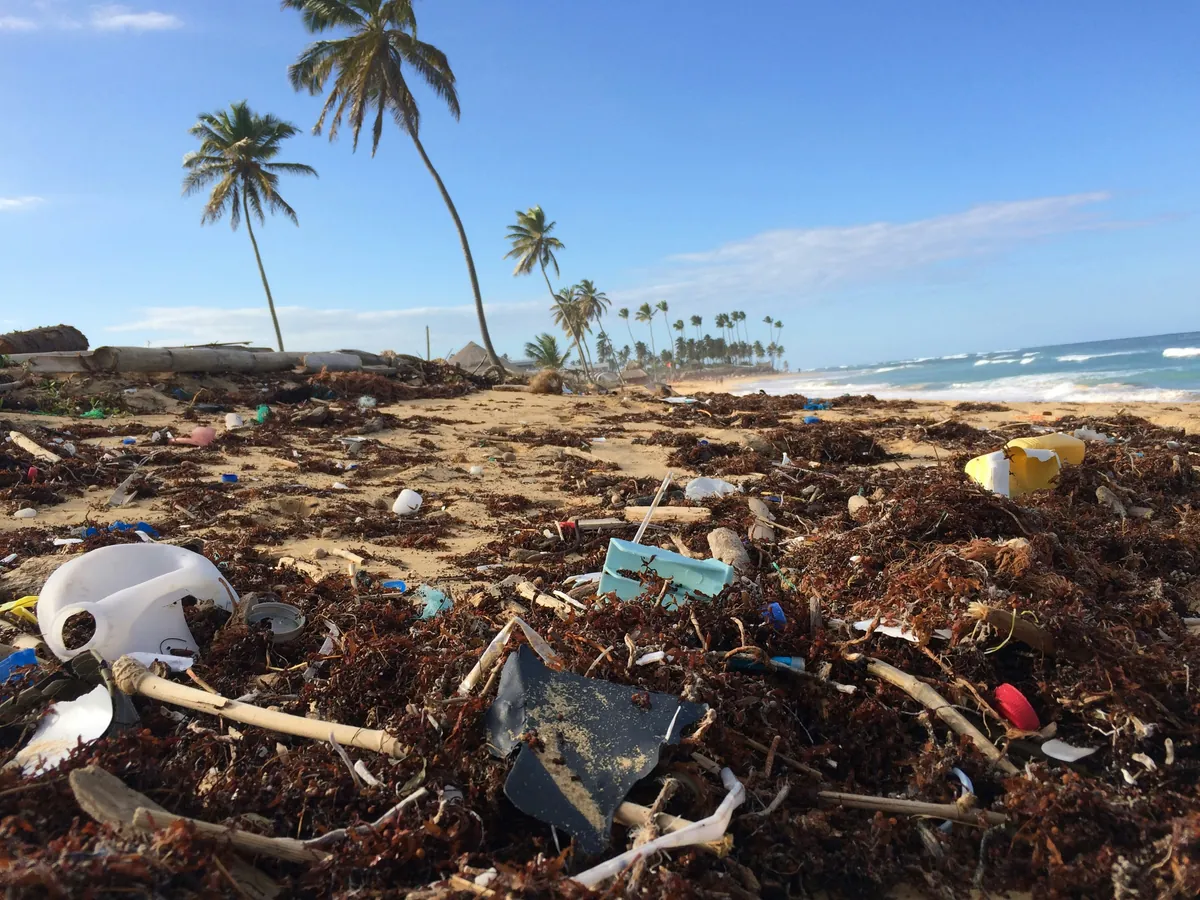
The campaign resonates in the UK because plastic pollution connects with issues that feel immediate and local: - litter in parks and high streets - waste washing up on British coastlines - concern for marine life - frustration with excessive supermarket packaging
This makes Plastic Free July culturally powerful: it links global environmental anxiety with everyday British experiences. It gives people a sense that personal choices — however small — can contribute to protecting familiar landscapes, seaside towns, rivers, and urban spaces.
3. It reinforces community participation and local identity
In many parts of the UK, Plastic Free July is supported by: - local councils - independent retailers - schools and universities - zero-waste shops - community groups - hospitality businesses
That creates a strong communal dimension. The campaign is often less about individual perfection and more about collective effort. In British culture, where community-led initiatives and local pride often play a major role in social movements, this gives Plastic Free July added significance. Towns, neighbourhoods, and organisations can publicly show that they are modern, responsible, and environmentally aware.
4. It reflects changing expectations of brands
For UK consumers in 2026, Plastic Free July is also culturally significant because it shapes how people evaluate companies. Brands are increasingly expected to: - reduce unnecessary packaging - offer refill or reuse options - communicate environmental claims clearly - avoid greenwashing - make sustainable choices convenient, not elite
This is especially relevant in the UK retail environment, where supermarkets, beauty brands, cafés, and household goods companies face visible pressure during the campaign. Plastic Free July has become a cultural checkpoint: a moment when consumers, media, and activists scrutinise whether brands’ sustainability messaging matches reality.
For marketers, that means the campaign is not just seasonal — it is reputational.
5. It captures a tension in British consumer culture
One reason Plastic Free July has cultural depth is that it exposes a contradiction in modern UK life: people want convenience, affordability, and choice, but also want less waste and more responsible consumption.
That tension is especially sharp during a cost-conscious period. In 2026, the campaign likely continues to highlight questions such as: - Is plastic-free living affordable for everyone? - Are sustainable products accessible beyond affluent audiences? - Should responsibility sit with consumers or with corporations and government?
These debates give the campaign cultural importance because it is not simply about refusing straws or carrying tote bags. It has become part of a broader national conversation about fairness, infrastructure, responsibility, and the future of consumption.
6. It has educational value across generations
In the UK, schools, parents, youth groups, and workplaces often use Plastic Free July as a practical teaching moment. Children learn about oceans, recycling systems, and consumption habits; adults reconsider routines they may have never questioned before.
That educational role matters culturally because it helps embed environmental awareness into shared norms. It also gives younger generations a way to influence household behaviour — something increasingly common in British family life, where children often act as advocates for climate-conscious habits.
7. It functions as a symbolic moment in the annual cultural calendar
By 2026, Plastic Free July can be understood as part of the UK’s recurring awareness calendar, alongside campaigns focused on climate, health, charity, and social causes. Its significance comes partly from repetition: every year, it reopens public discussion about waste, prompts media coverage, and encourages both citizens and brands to demonstrate progress.
This repeated visibility helps normalise sustainability as an ongoing cultural expectation rather than a one-off trend.
Why this matters for marketers
In the UK, Plastic Free July in 2026 is culturally significant because it sits at the intersection of values, visibility, and behaviour. It tells marketers that: - sustainability is now a cultural signal, not just a product feature - audiences expect action, not symbolic messaging - local relevance and practical usefulness matter more than broad eco-claims - campaigns tied to environmental issues must balance
How it is celebrated
In the United Kingdom in 2026, Plastic Free July is typically celebrated as a month-long sustainability campaign focused on helping people, workplaces, schools, and local communities reduce single-use plastic.
Common ways it is usually observed include:
1. Community-led challenges
Many people take part by setting personal goals such as: - avoiding plastic packaging - carrying reusable shopping bags, bottles, and coffee cups - switching to refillable household or beauty products - choosing loose fruit and vegetables instead of packaged options
Local councils, neighbourhood groups, and environmental charities often encourage residents to take a “plastic-free” pledge for the month.
2. Retail and hospitality initiatives
Across the UK, businesses often join in by: - promoting reusable alternatives - offering discounts for refillable cups or containers - highlighting low-waste or package-free products - running awareness campaigns in stores, cafés, and restaurants
Independent zero-waste shops and refill stations often see increased attention during July.
3. School and workplace participation
Schools, universities, and employers commonly mark the month with: - awareness assemblies or workshops - plastic audits - lunchbox or canteen waste reduction drives - office challenges to cut disposable cups, bottles, and cutlery
This makes the campaign both educational and practical.
4. Clean-up events
Beach cleans, river cleans, and park litter picks are a major part of the UK’s participation, especially through: - environmental charities - local volunteer groups - “Friends of” park organisations - coastal community initiatives
These events often connect plastic reduction with visible local environmental impact.
5. Social media and public awareness
Plastic Free July is heavily supported online, with participants sharing: - swap ideas - before-and-after waste reductions - local refill shop recommendations - campaign hashtags and plastic-free tips
UK brands, charities, sustainability influencers, and public bodies often use the month to amplify messaging around waste reduction and circular living.
6. Charity and advocacy activity
Environmental organisations in the UK frequently use Plastic Free July to: - promote petitions or policy campaigns - educate the public about marine plastic pollution - encourage long-term behaviour change beyond July - spotlight issues such as fast packaging waste, microplastics, and recycling limitations
In practice
In the UK, Plastic Free July is less about achieving perfect “zero plastic” living and more about: - reducing avoidable single-use plastics - trying realistic swaps - building longer-term habits - encouraging collective action across homes, communities, and businesses
If you want, I can also give you: - a 2026 UK Plastic Free July events overview - social post ideas for UK brands - or a consumer-facing summary of how households can take part.
Marketing advice
For Plastic Free July in the UK, build your campaign around practical swaps that feel relevant to British consumers, such as refill options, reusable lunchware, and low-packaging grocery choices, and tie messaging to everyday moments like commuting, meal deals, and supermarket shops. Highlight proof points UK audiences care about, including cost savings, convenience, and alignment with local regulations and retailer initiatives, and use social content to show simple before-and-after habits rather than broad sustainability claims. Partnering with UK creators, schools, or community groups can also help make the campaign feel credible and locally grounded.
Marketing ideas
Run a “Plastic-Free July Challenge” across social, email, and in-store channels, encouraging customers to swap one single-use item each week and share their progress with a branded hashtag tied to UK sustainability themes. Partner with local refill shops, zero-waste influencers, or community groups in cities like London, Manchester, and Bristol to offer limited-time discounts, pop-up events, or educational workshops that make participation feel practical and local. Create short-form video content showing behind-the-scenes packaging reductions or product refill options, and support it with a cause-led promotion such as donating to a UK environmental charity for every qualifying purchase made in July.
Marketing channels
In the United Kingdom, the most effective channels for Plastic Free July in 2026 are social media, email marketing, PR, and partnerships. Social platforms like Instagram, TikTok, LinkedIn, and Facebook are ideal for challenge-based, shareable content; email works well for mobilising existing supporters with weekly actions and donation asks; PR helps tap into national and local sustainability coverage; and partnerships with retailers, schools, workplaces, and community groups extend reach and add credibility.
Marketing examples
Here’s a strong hypothetical 2026 UK marketing campaign for Plastic Free July, designed to feel realistic, scalable, and effective for a brand, retailer coalition, or local authority partnership.
Plastic Free July UK 2026 Campaign Example
Campaign title: “Swap 3 for the Sea”
Core idea
Encourage people across the UK to swap out three single-use plastic habits during July for reusable or plastic-free alternatives. The campaign makes the challenge feel simple, achievable, and shareable, while linking everyday actions to visible environmental impact.
Examples of the three swaps:
- Plastic water bottle → reusable bottle
- Plastic takeaway cutlery → reusable cutlery set
- Plastic produce bags → reusable shopping bags
The “3 swaps” framework is memorable and less overwhelming than asking consumers to go fully plastic-free.
Campaign objective
Primary goal
Drive mass participation in Plastic Free July by turning awareness into measurable behaviour change.
Secondary goals
- Increase engagement with sustainability-focused brands and retailers
- Boost sales of reusable alternatives
- Generate user-created social content
- Strengthen brand perception around practical environmental action
- Support local UK beach-clean and community initiatives
Target audience
Primary audience
- UK consumers aged 18–44
- Urban and suburban households
- Sustainability-conscious families and young professionals
Secondary audience
- Schools and universities
- Employers running workplace sustainability programmes
- Local councils
- Hospitality and retail businesses
Key message
“You don’t need to do everything. Just swap 3 this July.”
This message works because it:
- Reduces guilt and pressure
- Feels achievable
- Encourages immediate action
- Is easy to repeat across channels
Campaign mechanics
1. National pledge hub
A campaign microsite allows people to:
- Choose their 3 plastic swaps
- Download a personalised pledge card
- Track progress through July
- Access tips, local refill maps, and discount codes
- Share their commitment on social media
Example CTA
Take the pledge. Pick your 3 swaps. Share your impact.
2. Retail partnership activation
Major UK supermarkets, health stores, coffee chains, and zero-waste brands join the campaign.
In-store elements
- “Swap 3” end-cap displays featuring reusables
- Shelf labels showing “easy plastic-free alternative” options
- QR codes linking to the pledge hub
- Limited-time discounts on refillables and reusable products
Example retail partners
- Tesco
- Sainsbury’s
- Boots
- Costa Coffee
- Holland & Barrett
- Local zero-waste shops
Promotional offer example
“Buy any 3 reusables, get 20% off during Plastic Free July.”
This makes the campaign behaviour-led rather than just awareness-led.
3. Social media challenge
The campaign runs on Instagram, TikTok, Facebook, and LinkedIn using the hashtag:
#Swap3ForTheSea
Participants post:
- Their three swaps
- Before-and-after habit changes
- Plastic-free lunch, commute, or shopping routines
- Weekly progress updates
Creator strategy
Partner with:
- Eco lifestyle creators
- UK chefs and meal-prep influencers
- Parenting bloggers
- Outdoor and coastal content creators
- Workplace sustainability advocates
Example creator brief
“Show your 3 swaps, explain why they’re realistic, and challenge your audience to do the same.”
4. Community impact layer
For every 10,000 pledges, the campaign funds:
- A UK beach clean
- Refill station installation
- Plastic-free school kits
- Grants for local community environmental groups
This gives people a collective incentive and adds a visible impact story.
Example line
“Your 3 swaps help fund cleaner coastlines across the UK.”
5. PR and earned media
The campaign launches with UK-specific data and a strong news hook.
Example PR angle
A survey reveals:
- 72% of UK consumers want to reduce plastic use
- But only 29% know where to start
That gap creates the perfect narrative for “Swap 3 for the Sea.”
Earned media opportunities
- Morning TV segments showing “3 easy swaps at home”
- Regional press tied to local beach-clean milestones
- Radio partnerships with daily swap tips
- Sustainability features in consumer and trade media
Channel plan
Paid media
- Meta ads targeting eco-conscious shoppers and families
- TikTok Spark Ads featuring creator videos
- YouTube bumper ads with quick swap examples
- Retail media placements on supermarket apps and sites
- DOOH near train stations, shopping centres, and coastal towns
Sample paid headline
**This July, swap 3 plastic habits and make waves across