Summer Solstice in United Kingdom
Country-specific marketing context and ideas
Popularity in United Kingdom
If you mean search popularity, there isn’t a public source yet that can show 2026 full-year popularity for “Summer Solstice” in the United Kingdom, because 2026 is still in progress and trend datasets update over time.
What you can use:
- Google Trends for live/rolling interest in the UK
- Search volume tools like Google Ads Keyword Planner, Ahrefs, Semrush, or Moz for estimated monthly UK searches
- Social listening tools for mentions around the June solstice period
What to expect for “Summer Solstice” in the UK
In the UK, interest in “Summer Solstice” is typically:
- Highly seasonal
- Concentrated in June
- Often peaking around June 20–21
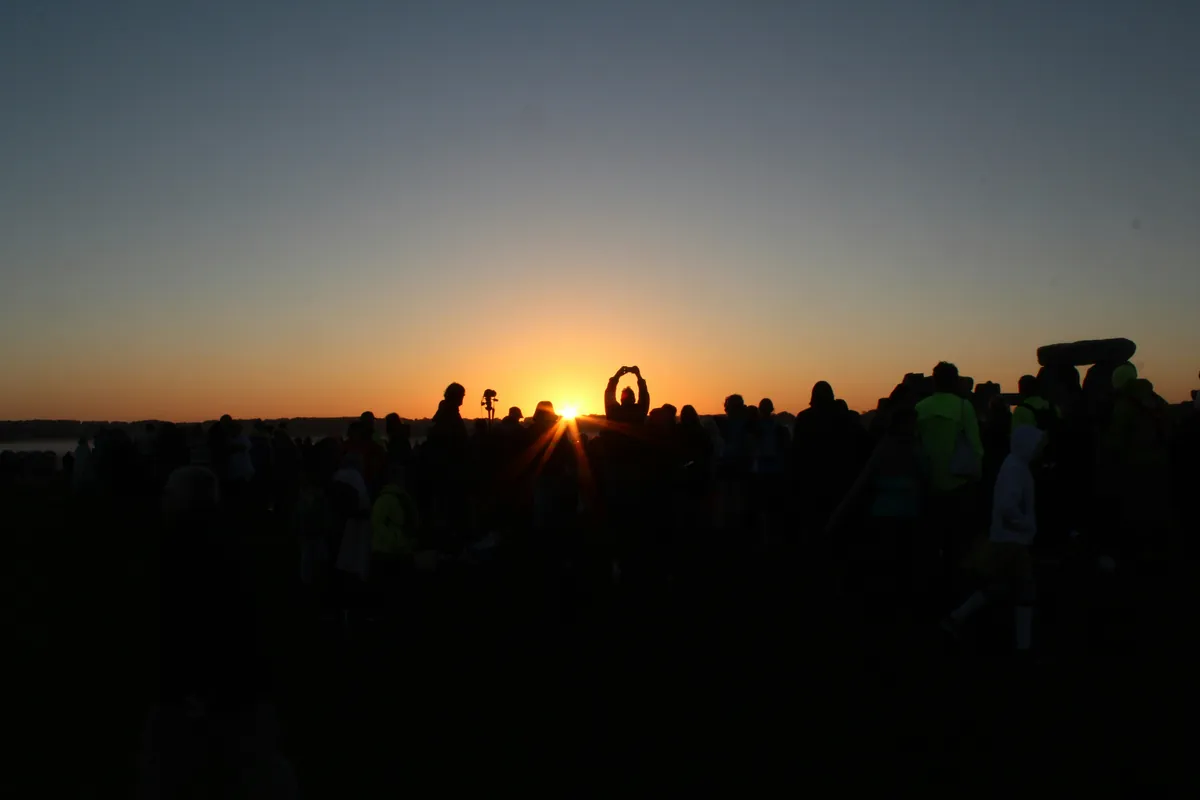
- Boosted by events and media coverage, especially around Stonehenge
So in marketing terms, it’s usually a short-window, event-driven keyword/topic, not a consistently high-volume term year-round.
If you want a practical benchmark
A good way to answer “how popular is it in 2026?” is to measure:
- Google Trends interest in the UK for “Summer Solstice”
- Compare it against: - Midsummer - Stonehenge solstice - Summer equinox (though technically incorrect, people still search it)
- Review the June 2026 spike versus: - June 2025 - June 2024
Recommended interpretation
For campaign planning, treat “Summer Solstice” in the UK as:
- Moderately popular overall
- Very popular seasonally
- Strongest for:
- travel
- events
- spirituality/wellness
- cultural content
- heritage/tourism marketing
If you want the exact popularity
I can help in either of these ways:
- give you a step-by-step Google Trends method to check UK popularity for 2026, or
- provide a marketing-style estimate framework for judging whether the term is low, medium, or high interest in the UK.
If you want, I can also turn this into a UK search trend snapshot format you could drop into a report or presentation.
Trends in United Kingdom
Here are the key United Kingdom–specific trends for Summer Solstice in 2026, especially relevant for marketers, tourism teams, event planners, and culture-focused brands:
1. Stonehenge remains the defining cultural focal point
In the UK, Summer Solstice is most strongly associated with Stonehenge in Wiltshire, and that continues to shape national attention in 2026. Media coverage, travel interest, social content, and public conversation tend to cluster around: - sunrise gatherings at Stonehenge - neo-pagan, druid, and spiritual observances - heritage tourism and “bucket-list” travel - live or near-live social sharing around the sunrise moment
For brands, this means the UK’s Summer Solstice is not just a seasonal marker—it is a recognizable national cultural event with a strong visual identity.
2. Experience-led domestic tourism continues to matter
In the UK market, Summer Solstice increasingly aligns with short-break travel and local experiences, especially as consumers look for: - meaningful outdoor gatherings - wellness or spiritual experiences - heritage-linked days out - scenic sunrise and sunset destinations
Beyond Stonehenge, interest often extends to: - Avebury - Glastonbury-linked spiritual tourism - coastal sunrise locations - national parks and countryside retreats
This makes the solstice useful for campaigns in hospitality, rail travel, destination marketing, outdoor lifestyle, and heritage attractions.
3. Wellness and spirituality remain strong crossover themes
In the UK, Summer Solstice has moved beyond a purely historical or pagan-interest event and now overlaps with broader wellness culture. In 2026, that trend is likely to remain visible through: - sunrise yoga - meditation events - nature immersion - seasonal self-care messaging - “reset” or “light energy” themed content
This is especially relevant for brands in: - wellness - beauty - fitness - retreats - food and drink with natural or seasonal positioning
The tone that performs best is usually grounded, uplifting, and nature-connected, rather than overly commercial.
4. Seasonal British identity plays a role
In the UK, Summer Solstice often connects with a specifically British seasonal mood: - appreciation for long daylight hours - outdoor socializing - garden culture - pub gardens, picnics, and countryside escapes - celebration of summer finally “arriving”
That gives marketers a local angle distinct from global solstice messaging. UK audiences often respond well to campaigns that tie the solstice to: - “the longest day” - making the most of British summer - outdoor rituals and gatherings - local landscapes and heritage
5. Social content favors atmospheric, scenic, and symbolic visuals
UK solstice-related content tends to perform well when it emphasizes: - sunrise photography - standing stones and ancient sites - silhouettes, warm golden light, and misty landscapes - floral and meadow imagery - minimalist spiritual/wellness aesthetics
For 2026, expect continued demand for Instagram-, TikTok-, and short-video-friendly storytelling around the solstice morning itself. The event is especially suited to: - countdown content - “where to watch the sunrise” guides - behind-the-scenes event coverage - place-based storytelling
6. Heritage and modern culture continue to blend
A distinctive UK trend is the way Summer Solstice combines: - ancient ritual and folklore - English Heritage and tourism infrastructure - modern festival culture - wellness and lifestyle branding
This blend creates space for campaigns that feel both historic and contemporary. In the UK, audiences are comfortable with solstice messaging that references: - ancient traditions - folklore - midsummer celebration - modern communal experiences
That hybrid positioning is harder to replicate in some other markets and is a strong UK-specific creative advantage.
7. Sustainability and nature-respect messaging are increasingly expected
For UK audiences, especially those engaging with solstice events in rural or heritage settings, there is growing sensitivity around: - preserving ancient sites - responsible tourism - litter-free outdoor events - respect for local communities and land - eco-conscious travel
In 2026, campaigns tied to Summer Solstice in the UK are likely to benefit from visibly incorporating: - low-impact travel options - reusable products - leave-no-trace messaging - local sourcing and seasonality
This is particularly relevant for destination brands, outdoor retailers, and event organizers.
8. Weather contingency remains a practical part of UK planning
A very UK-specific reality: Summer Solstice marketing often needs to balance idealized summer imagery with unpredictable weather. Brands that perform well usually do one of two things: - lean into dreamy optimism and aspirational sunshine - use a lightly humorous British tone about cloudy skies,
Cultural significance
In the United Kingdom, the Summer Solstice in 2026 will fall on Sunday, 21 June 2026, and it continues to hold a distinctive mix of ancient, spiritual, seasonal, and cultural meaning.
Why it matters in the UK
The Summer Solstice marks the longest day of the year and the point at which the Northern Hemisphere receives its greatest amount of daylight. In the UK, where seasonal change has long shaped agriculture, ritual, travel, and community life, this moment carries symbolic weight as a celebration of light, renewal, abundance, and connection to the land.
Strong links to pre-Christian Britain
Its cultural significance in the UK is deeply tied to prehistoric and pagan traditions. Long before modern holidays, solstice gatherings were associated with:
- the power of the sun
- fertility and harvest cycles
- transitions in the natural year
- communal ritual and storytelling
Although the exact beliefs of ancient Britons are not fully known, the solstice remains strongly associated with Celtic spirituality, druidic traditions, and nature-based observance in the public imagination.
Stonehenge: the UK’s most iconic solstice symbol
In Britain, the Summer Solstice is most famously connected with Stonehenge in Wiltshire. The monument is aligned with the sunrise at the solstice, and each year thousands of people gather there overnight to witness the sun rise in line with the stones.
For 2026, this will likely again be one of the most visible cultural moments tied to the solstice, attracting:
- modern Druids
- pagans
- spiritual seekers
- tourists
- photographers
- people simply looking to take part in a shared midsummer experience
This gathering has become a powerful symbol of how the UK blends heritage, spirituality, tourism, and public ritual.
A blend of ancient and modern meanings
Today, the Summer Solstice in the UK is not a mainstream public holiday, but it still resonates across different groups in different ways:
1. Spiritual and pagan communities
For modern pagans, Druids, Wiccans, and other nature-based faith communities, the solstice is an important ceremonial day. It can represent:
- the height of the sun’s power
- gratitude for growth and life
- reflection on the turning of the seasons
- balance between fullness and the gradual return toward darker days
2. Heritage and identity
For many people, especially those interested in British history, folklore, and archaeology, the solstice is a reminder of the UK’s deep ancestral past. Sites like Stonehenge, Avebury, and other ancient landmarks become focal points for public interest and national heritage storytelling.
3. Seasonal celebration
More broadly, the solstice has become part of the UK’s cultural rhythm as a celebration of midsummer. Even among people with no spiritual connection to it, it can evoke:
- outdoor festivals
- bonfires and gatherings
- appreciation of nature
- long evenings and shared social time
- a sense of optimism and summer energy
Relevance in 2026
In 2026, the cultural significance is likely to be shaped by the same themes that have grown in recent years:
- renewed interest in ancient traditions and folklore
- wellbeing culture, with more people drawn to seasonal rituals and nature-based reflection
- domestic tourism, especially visits to heritage sites
- social media visibility, which helps turn solstice events into shared national moments
This means the Summer Solstice is not just an old observance; it functions as a living cultural event that connects the UK’s prehistoric past with contemporary interests in spirituality, identity, wellness, and experience-led travel.
In short
The Summer Solstice in the United Kingdom in 2026 is culturally significant because it represents:
- the longest day of the year
- a connection to ancient British ritual and cosmology
- the enduring symbolic power of Stonehenge
- a modern celebration of nature, heritage, and midsummer community
It remains one of the clearest examples of how an ancient seasonal marker still shapes cultural life in modern Britain.
How it is celebrated
In the United Kingdom, Summer Solstice 2026 falls on Sunday, 21 June 2026. It marks the longest day of the year and is most famously associated with sunrise gatherings, pagan rituals, and seasonal festivals.
How it’s typically celebrated in the UK
1. Stonehenge gatherings - The best-known UK solstice celebration takes place at Stonehenge in Wiltshire. - Thousands of people gather overnight to watch the sunrise align with the stones. - Attendees often include pagans, druids, spiritual groups, tourists, photographers, and curious visitors. - Unlike many other times of year, managed open access is often granted so people can be closer to the stones.
2. Pagan and Druid ceremonies - Many people celebrate with rituals honoring the sun, nature, and the turning of the seasons. - Druids, Wiccans, and other spiritual communities may hold ceremonies involving: - chanting or prayer - music and drumming - offerings of flowers or herbs - symbolic greetings to the sunrise
3. Local midsummer festivals - Across the UK, towns and communities may host midsummer-themed events, including: - outdoor concerts - folk music and dancing - village fairs - storytelling - nature walks - bonfires in some areas
4. Sunrise and outdoor experiences - Many people mark the day more casually by: - waking early to watch the sunrise - hiking or visiting hills, coastlines, or ancient sites - having picnics or garden gatherings - spending extra time outdoors to enjoy the long daylight hours
5. Heritage and ancient-site visits - Besides Stonehenge, other prehistoric and historic sites may attract solstice visitors, such as: - Avebury - Glastonbury Tor - various stone circles in Scotland, England, and Wales
What the atmosphere is like
The mood is usually a mix of: - spiritual and ceremonial - festive and communal - touristic and media-friendly
Some celebrations are deeply meaningful religious or pagan observances, while others are more about enjoying the symbolic start of summer.
Important note for 2026
Specific event formats, access rules, and timings—especially at Stonehenge—are usually confirmed closer to the date by organizers such as English Heritage and local councils.
If you want, I can also give you: - a 2026 Stonehenge solstice visitor summary - a family-friendly UK solstice activities list - or a short social-media-style version of this answer.
Marketing advice
For Summer Solstice 2026 in the UK, build campaigns around long-day lifestyle themes like outdoor dining, garden entertaining, travel, and wellness, and tailor creative by region since Scotland, coastal areas, and major cities often celebrate differently. Launch paid social, email, and retail promotions 2–3 weeks ahead of 21 June, using weather-triggered offers, “make the most of the longest day” messaging, and local event tie-ins to boost relevance and footfall. For UK audiences, keep visuals bright and seasonal but practical, and make sure any promotions, competitions, pricing, and influencer activity comply with ASA and CAP Code requirements.
Marketing ideas
Build a “Longest Day, Biggest Savings” campaign around 21 June with timed flash offers that unlock from sunrise to sunset, paired with geo-targeted social ads counting down to the Summer Solstice weekend. Create a UK-focused experiential angle by partnering with wellness brands, pubs, or travel venues for sunrise yoga sessions, picnic bundles, or Stonehenge-inspired content, then amplify it with a user-generated hashtag campaign such as “#MySolsticeMoment” to drive reach and seasonal engagement.
Marketing channels
For Summer Solstice in the United Kingdom in 2026, the most effective channels are social media, influencer partnerships, search, and email. Instagram, TikTok, and Facebook work well for visually driven event discovery and location-based promotion, while local creators add credibility and reach around festivals, travel, and outdoor experiences. Google Search and Maps are key for capturing high-intent interest in solstice events, Stonehenge-related searches, and nearby activities, and email is effective for driving repeat attendance, ticket sales, and last-minute updates to engaged audiences.
Marketing examples
Here’s a strong hypothetical Summer Solstice 2026 campaign in the United Kingdom that would resonate well with UK audiences while giving marketing professionals a clear structure to learn from.
Campaign Example: “Own the Longest Day”
Brand: Marks & Spencer Food
Market: United Kingdom
Campaign Type: Integrated seasonal brand + retail activation
Timing: 1–21 June 2026, peaking on 21 June 2026
Objective: Drive footfall, boost seasonal food and drink sales, and position M&S as the go-to brand for premium summer gatherings
The Insight
In the UK, the Summer Solstice is culturally rich but still under-commercialised compared with Christmas, Easter, or Halloween. It blends:
- appreciation for longer evenings
- spontaneous outdoor socialising
- pride in British summertime
- interest in traditions, nature, and local experiences
For a retailer like M&S, that creates a useful opportunity: turn the longest day of the year into a reason to celebrate with food, picnics, garden dining, and golden-hour moments.
The Big Idea
“Own the Longest Day” invites consumers to make more of 21 June than they normally would.
Rather than positioning Summer Solstice as a niche pagan or heritage event, the campaign reframes it as a modern British seasonal ritual: - breakfast in the garden - picnic lunches - after-work dinners outdoors - sunset desserts and drinks
The message is simple:
If the day gives you more hours, make them memorable.
Campaign Objectives
- Increase sales of summer dining, picnic, BBQ, drinks, and dessert ranges
- Grow store visits during the 10 days leading up to the solstice
- Boost social engagement through user-generated “longest day” content
- Strengthen brand association with premium British summer moments
Target Audience
Primary
- Adults 28–50
- Families, couples, and social hosts
- Middle-income to affluent shoppers
- Urban and suburban UK consumers
Secondary
- Younger professionals 22–34
- Socially active consumers who enjoy seasonal experiences
- Instagram/TikTok users interested in aesthetics, hosting, and food inspiration
Core Messaging
- Make the most of the longest day
- From sunrise coffee to sunset pudding, celebrate every extra hour
- Create a summer moment worth stretching for
- British summer starts here
Campaign Execution
1. Hero TV / Video Ad
A 40-second film follows one day across the UK: - early morning sunlight in Cornwall - lunch picnic in a London park - afternoon strawberries in the Cotswolds - family BBQ in Manchester - rooftop drinks in Edinburgh at golden hour
The spot shows M&S food woven into real summer occasions rather than hard-selling products.
Endline:
“Summer Solstice. Make the longest day the best day.”
Channels:
- ITVX
- Channel 4 streaming
- YouTube
- Meta video
- cinema pre-roll in major UK cities
2. Limited-Edition Solstice Range
A seasonal product line gives the campaign commercial traction: - Solstice picnic bundles - “Golden Hour” dessert collection - seasonal cocktails and mocktails - premium strawberries and cream packs - easy summer hosting platters - breakfast-to-BBQ meal deals for one-day celebrations
Packaging uses warm sunset tones, botanical graphics, and subtle celestial cues.
3. In-Store Activation
Stores feature: - “Longest Day Essentials” displays near entrances - meal-pairing signage for all-day entertaining - bundled offers for picnics, garden dinners, and sunset treats - QR codes linking to styling tips, recipes, and solstice hosting ideas
Selected flagship stores offer: - free mini tastings - floral photo moments - “build your solstice spread” merchandising islands
4. Social Media Strategy
Hashtag:
#OwnTheLongestDay
Content pillars: - sunrise breakfast inspiration - picnic flat-lays - outdoor table styling - “what to buy for the longest day” reels - user-generated golden-hour gatherings
Influencer mix: - UK food creators - home and garden influencers - family lifestyle creators - regional micro-influencers across England, Scotland, Wales, and Northern Ireland
A strong tactic would be a “24 Hours of Solstice” creator relay, where influencers post at different times of day to show how they are celebrating from dawn to dusk.