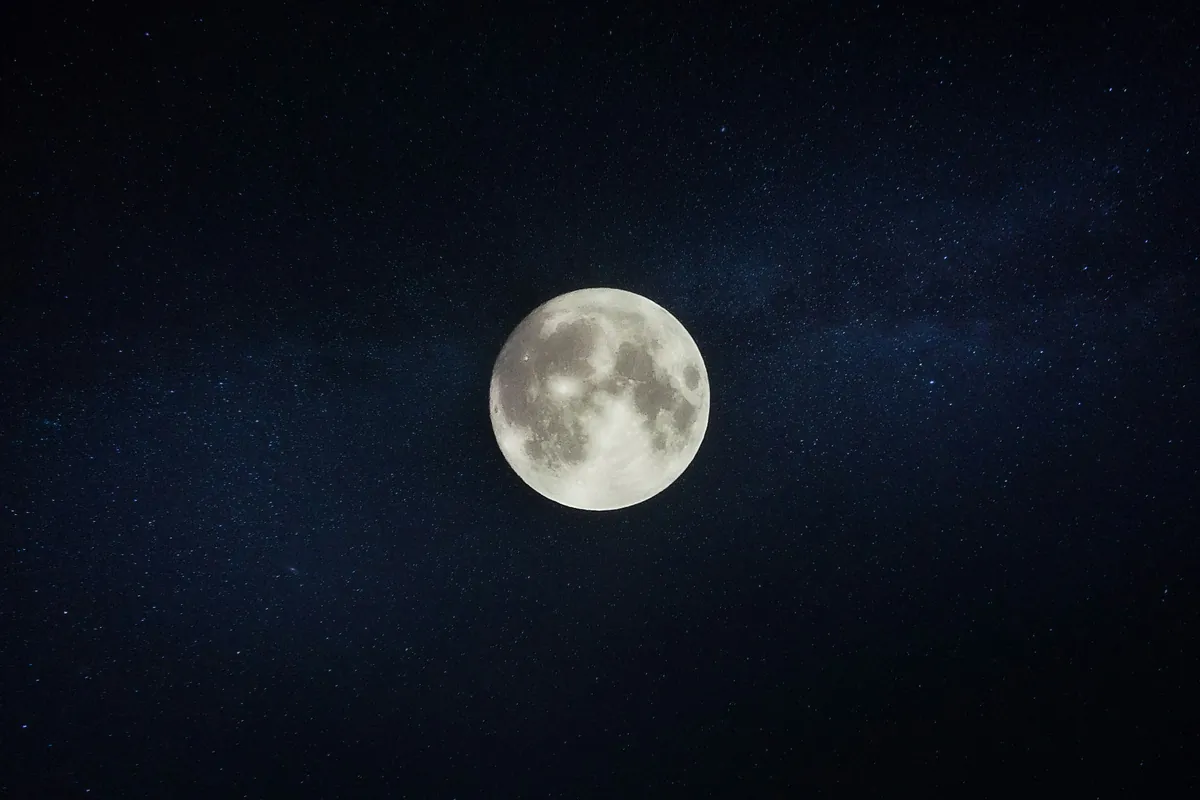
Supermoon Events in United Kingdom
Country-specific marketing context and ideas
Popularity in United Kingdom
I can help estimate that, but I need to clarify what you mean by “Supermoon Events” in the UK for 2026.
There are two likely meanings:
- Search popularity / online interest for the term “Supermoon Events” in the United Kingdom in 2026
- Public popularity of actual supermoon events in the UK during 2026
A key limitation: I don’t have live 2026 search or event-attendance data unless you provide a source or want a forecasting-style estimate.
If you mean search popularity
The best way to measure it is with: - Google Trends for UK search interest - Google Keyword Planner for monthly search volume - Search Console / SEO tools like Ahrefs, Semrush, or Moz
Useful metrics: - Average monthly searches in the UK - Interest spikes around supermoon dates - Related terms like: - “supermoon 2026 UK” - “supermoon dates 2026” - “when is the next supermoon UK” - “supermoon viewing events UK”
If you mean general public popularity
Popularity is usually: - Highly seasonal - Event-driven - Stronger when: - the supermoon is visibly dramatic - weather is favorable - media coverage is high - observatories, planetariums, or local astronomy groups run public events
In the UK, supermoon interest tends to be moderate to high during peak dates, but not consistently high year-round.
Practical answer
Without live data, I’d describe “Supermoon Events” in the UK in 2026 as:
- Niche overall
- Likely to spike sharply around the actual supermoon dates
- Most popular among astronomy enthusiasts, families, local event-goers, and media-led audiences
- Not likely to maintain broad mainstream popularity across the full year
If you want a real popularity readout
I can do one of these next: 1. Show you how to check UK popularity in Google Trends 2. Create a 2026 popularity forecast for “Supermoon Events” in the UK 3. Build an SEO/search-demand estimate table for the UK market
If you want, I can also give you a month-by-month UK popularity forecast for “Supermoon Events” in 2026.
Trends in United Kingdom
Here’s a UK-focused view of likely 2026 “Supermoon Events” trends, framed for marketing and audience-planning use.
UK trends for Supermoon Events in 2026
1) Strong interest will be driven by “experience-first” event marketing
In the UK, supermoons tend to perform best not just as astronomy moments, but as shared seasonal experiences. That means the strongest traction in 2026 is likely to come from events positioned around:
- night-time community gatherings
- rooftop or countryside viewing experiences
- wellness and mindfulness tie-ins
- photography-led activations
- family-friendly science engagement
UK audiences often respond well when celestial events are packaged as a mix of spectacle, education, and social occasion, rather than pure stargazing.
2) Rural and coastal venues will have a clear advantage
One of the biggest UK-specific factors is light pollution and cloud cover. Because of that, 2026 supermoon-related events are likely to trend toward:
- National Parks
- Areas of Outstanding Natural Beauty
- coastal viewing points
- dark-sky destinations in Scotland, Wales, northern England, and parts of Northern Ireland
In practical terms, UK event organisers that can offer darker skies and scenic landscapes will have a stronger proposition than city-centre venues, unless urban events add premium features like telescopes, expert hosts, live music, or hospitality.
3) Weather contingency will be a central part of promotion
Unlike some markets where skywatching can be marketed with high confidence, UK events need to build around weather uncertainty. In 2026, that will likely continue shaping how supermoon events are sold:
- flexible ticketing
- backup dates
- indoor astronomy talks or planetarium-style content
- hybrid livestream elements
- “moonrise even if cloudy” themed social programming
For UK audiences, trust is built when organisers acknowledge the weather upfront and make the event feel worthwhile even if viewing conditions are mixed.
4) Social media will skew heavily visual and hyper-local
In the UK, supermoon engagement typically becomes highly image-led, especially around:
- dramatic moonrise over landmarks
- coastal silhouettes
- historic buildings, castles, cathedrals, and piers
- skyline photography from London, Edinburgh, Liverpool, Manchester, Bristol, and Cardiff
For 2026, expect local interest to cluster around “best places in the UK to see the supermoon” and “best moonrise spots near me” style content. This makes regional SEO, local influencer partnerships, and location-tagged short-form video especially valuable.
5) Heritage and nature organisations are well placed to benefit
A UK-specific opportunity is the strength of trusted cultural and environmental brands. Supermoon events in 2026 are likely to fit naturally with programming from:
- heritage sites
- stately homes
- castle properties
- museums and observatories
- wildlife trusts
- National Trust-linked experiences
- local astronomy societies
These organisations can blend storytelling, landscape, history, and science, which is a strong fit for British audiences looking for meaningful outdoor experiences.
6) Autumn and winter scheduling may create stronger emotional pull
In the UK, moon events often resonate more strongly when tied to the atmosphere of darker evenings, especially outside peak summer. If major supermoon visibility aligns with late-year dates in 2026, marketers may see stronger performance from:
- lantern walks
- seasonal food and drink tie-ins
- folklore-themed events
- “cosy night out” positioning
- moonlit outdoor cinema or acoustic sessions
This matters in the UK because consumers often respond well to events that feel seasonal, cinematic, and slightly escapist.
7) STEM and education partnerships will remain relevant
The UK has a reliable audience for science communication, particularly when events are linked to:
- schools
- universities
- observatories
- local science centres
- family learning programmes
In 2026, supermoon events with an educational angle are likely to perform well during school holiday windows or as family evening activities. The sweet spot is usually accessible science, not highly technical astronomy content.
8) Tourism boards and destination marketers can use supermoons as micro-campaign moments
In the UK, supermoons are unlikely to become standalone mass tourism drivers, but they work well as short-burst destination marketing hooks. Places with strong natural scenery or dark skies can use 2026 supermoon dates to promote:
- weekend breaks
- glamping and boutique stays
- astro-tourism packages
- off-peak travel
- food-and-sky experiences
This is especially relevant for Scottish Highlands destinations, Welsh dark-sky areas, Northumberland, Ex
Cultural significance
In the United Kingdom, supermoon events in 2026 are likely to carry a mix of astronomical interest, media excitement, seasonal symbolism, and community engagement, rather than deep national ceremonial importance on their own. Their cultural significance comes less from ancient official tradition and more from how they intersect with British habits around nature, storytelling, public events, and shared media moments.
What a supermoon means in cultural terms
A supermoon happens when a full moon appears larger and brighter because it coincides with the Moon being relatively close to Earth in its orbit. In the UK, this tends to matter culturally for three main reasons:
- it creates a highly shareable national moment
- it reinforces the UK’s long-standing fascination with skywatching and seasonal change
- it becomes a focal point for local folklore, photography, tourism, and public science communication
Even people who do not normally follow astronomy often notice a supermoon because it is visually striking and widely covered by news outlets, weather services, and social media.
Why supermoons resonate in the UK
The UK has a strong cultural relationship with the sky and the landscape. Supermoons fit neatly into that tradition.
1. A modern shared spectacle
In Britain, supermoons have become part of the calendar of widely anticipated natural events, similar to eclipses, meteor showers, or aurora sightings. They often generate:
- national media coverage
- public discussion about the best viewing spots
- spikes in amateur photography
- social media posts tying the moon to local landmarks, coastlines, castles, and city skylines
That gives them a kind of democratic cultural appeal: anyone can step outside and participate.
2. Connection to British landscape identity
The UK’s visual culture places strong emphasis on landscape, atmosphere, and weather. A bright full moon over places such as:
- the Scottish Highlands
- Welsh coastlines
- the Lake District
- the White Cliffs
- historic urban settings like London, York, Bath, or Edinburgh
creates imagery that feels distinctly British. Supermoons become woven into the country’s ongoing habit of turning natural events into memorable national pictures.
3. Seasonal and emotional symbolism
Moon events in the UK often pick up meaning from the time of year. Depending on when supermoons fall in 2026, they may be culturally associated with:
- autumn reflection and harvest themes
- winter stillness and dark-sky appreciation
- spring renewal
- summer outdoor gatherings
British culture often gives emotional weight to seasonal transitions, and a supermoon can amplify that mood.
Links to folklore and older traditions
The UK does not have a single nationwide ancient festival dedicated specifically to supermoons, but moon imagery is deeply embedded in British and Celtic folklore. That gives supermoons a sense of continuity with older beliefs.
Folkloric associations include:
- moon-based agricultural timing
- tales about strange behavior under full moons
- links between moonlight and romance, mystery, or omen
- rural traditions tied to the naming of full moons, such as harvest or hunter’s moon themes
In Scotland, Wales, England, and Northern Ireland, local folklore traditions differ, but many share a sensitivity to lunar cycles in farming, fishing, storytelling, and superstition.
A 2026 supermoon may therefore be discussed not as a sacred event in itself, but as a modern version of an old relationship with the night sky.
Public science and educational value
One of the strongest forms of cultural significance in the UK today is public engagement with science.
Supermoons give institutions and communities a reason to promote astronomy through:
- observatory events
- museum programming
- school activities
- science-center communications
- local astronomy society meetups
- dark-sky park promotions
In that sense, supermoons help bridge heritage and science. They make astronomy accessible, visual, and timely.
For 2026, this could be especially meaningful in places that actively market dark-sky experiences, such as parts of:
- Northumberland
- Exmoor
- Snowdonia/Eryri
- Galloway
- the Brecon Beacons/Bannau Brycheiniog
Media and commercial significance
In the UK, supermoons also function as a cultural event through marketing and media. Travel brands, publishers, photographers, broadcasters, and local councils often use them as hooks for engagement.
Typical examples include: - “best places to see the supermoon” articles - hospitality packages for coastal or rural viewing - themed walks, cruises, or heritage-site openings - branded social content using dramatic moon imagery - retail and lifestyle storytelling tied to mood, wellness, or nature
So while the event is astronomical, its cultural footprint is amplified by how
How it is celebrated
In the United Kingdom, Supermoon events in 2026 are typically celebrated in a more informal, public-engagement way rather than as an official holiday or traditional national festival.
How people in the UK usually mark a Supermoon
- Moonwatching gatherings: Local astronomy groups, observatories, and amateur stargazing clubs often host evening viewing events.
- Public science events: Museums, planetariums, and science centres may run talks, telescope sessions, or family-friendly workshops explaining what a Supermoon is.
- Photography outings: Many people head to scenic spots, coastlines, hills, castles, or city landmarks to photograph the Moon when it appears especially large and bright.
- Media and social buzz: News outlets, weather services, and social platforms often build interest with viewing tips, timing guides, and image-sharing.
- Community stargazing: Parks and dark-sky areas sometimes see informal gatherings, especially if the weather forecast is good.
- Astrology and wellness-themed events: Some businesses and community groups may hold moon circles, meditation sessions, or themed experiences tied to the Supermoon.
What it usually looks like in practice
In the UK, celebration tends to be: - Low-key - Weather-dependent - Educational or visual rather than ceremonial - Organised locally, not nationally
Best places people often choose
Popular viewing locations include: - Dark Sky Parks such as parts of Northumberland, Exmoor, and the Brecon Beacons - Open countryside and coastal areas - Urban viewpoints with a clear horizon, especially for moonrise photography
Important context for 2026
There is no uniquely British traditional custom specifically for Supermoons in 2026. The way they’re observed is generally the same as in recent years: a mix of astronomy interest, public outreach, photography, and social-media-driven participation.
If you want, I can also list the expected Supermoon dates in 2026 and suggest the best ways to promote a UK-based Supermoon event.
Marketing advice
For Supermoon Events in the UK in 2026, build campaigns around key lunar dates published by the Royal Observatory and Met Office, then package them as premium but weather-flexible experiences with clear rain plans and indoor backup options. Focus paid social and search on high-intent audiences in major urban catchments like London, Manchester, Birmingham, and Bristol, using creative that highlights unique viewing locations, limited-capacity tickets, and group-friendly offers. Partner with UK travel, hospitality, and countryside venues to create bookable bundles, and make sure all promotions comply with CAP Code rules on pricing, urgency, and promotional claims.
Marketing ideas
For 2026, Supermoon Events in the UK could run a “Moonlight Moments” campaign that partners with luxury venues, photographers, and bridal or corporate influencers to showcase immersive event experiences across Instagram Reels, TikTok, and LinkedIn. Add a local SEO and paid search push around high-intent terms like “London corporate event planner” and “UK wedding styling,” then support it with seasonal open-house showcase nights and a referral programme offering venue upgrades or styling add-ons for past-client recommendations.
Marketing channels
For Supermoon Events in the United Kingdom in 2026, the most effective channels are paid social, search marketing, email/CRM, and partnerships. Paid social on Instagram, TikTok, Facebook, and LinkedIn works well for event discovery and precise audience targeting, while Google Search and Performance Max capture high-intent users actively looking for events and experiences. Email and CRM are critical for driving repeat bookings, upsells, and last-minute attendance, and partnerships with venues, sponsors, influencers, and local media expand reach with strong credibility and lower acquisition costs.
Marketing examples
Here’s a strong hypothetical 2026 marketing campaign for Supermoon Events in the United Kingdom, designed to feel realistic, measurable, and relevant for event marketers.
Supermoon Events UK 2026 Campaign Example
Campaign Name: Moments That Move People
Campaign Overview
Supermoon Events, positioned as a premium UK events agency, launches a 2026 integrated marketing campaign aimed at increasing brand visibility among corporate decision-makers, brand managers, and experiential marketing leads across London, Manchester, Birmingham, and Edinburgh.
The campaign focuses on one core idea:
great events don’t just entertain — they create emotional momentum for brands.
This gives Supermoon Events a platform to sell not only event production, but also strategic brand experience, audience engagement, and measurable business impact.
1. Campaign Objectives
Primary goals
- Increase qualified B2B leads by 35% year-over-year
- Grow website traffic from UK-based corporate prospects by 50%
- Secure 12 new corporate event contracts in 2026
- Improve brand recognition in the UK experiential events market
Secondary goals
- Build stronger authority on LinkedIn
- Generate press coverage in UK marketing and events publications
- Create a library of proof-driven case study content for sales enablement
2. Target Audience
Primary audience
- Marketing Directors
- Brand Managers
- Experiential Marketing Leads
- HR and Internal Communications leaders
- Procurement managers sourcing agency partners
Sectors targeted
- Technology
- Luxury retail
- Finance
- Automotive
- Consumer brands
Geographic focus
- London
- South East England
- Manchester
- Birmingham
- Edinburgh
3. Core Campaign Message
Brand proposition
Supermoon Events creates unforgettable live experiences that connect brands with people in meaningful, measurable ways.
Supporting messages
- Strategy-first event design
- Creative production with premium execution
- Experiences tailored for brand, culture, and conversion
- Full-service delivery from concept to post-event analytics
4. Campaign Strategy
The campaign runs across three stages:
Phase 1: Awareness
Supermoon Events publishes highly visual and insight-led content showing what modern event success looks like in 2026.
Tactics
- LinkedIn thought leadership from founders and senior event strategists
- Short-form video reels showing event transformations, behind-the-scenes builds, and immersive guest moments
- Paid LinkedIn ads targeting UK marketing and brand professionals
- Digital PR outreach to UK titles such as:
- Campaign UK
- Event Industry News
- Conference News
- Marketing Beat
Example awareness content
- “What UK audiences expect from branded events in 2026”
- “Why immersive experiences are outperforming traditional corporate events”
- “The post-event metrics brands should actually care about”
Phase 2: Consideration
The brand shifts from inspiration to proof, showing how Supermoon Events solves business problems through events.
Tactics
- Downloadable case studies and event trend reports
- A lead magnet: The UK Brand Experience Playbook 2026
- Email nurture sequence for new leads
- Webinar panel: How Live Events Drive Brand Loyalty in 2026
- Retargeting ads focused on credibility, testimonials, and measurable outcomes
Example gated asset
The UK Brand Experience Playbook 2026 includes: - Event design trends - UK venue and audience insights - Sustainability expectations - Sample KPI frameworks - Budget planning guidance for corporate marketers
Phase 3: Conversion
The campaign drives high-intent prospects toward consultations and proposal requests.
Tactics
- Personalised outreach to warm leads
- “Book a Creative Event Consultation” landing pages
- Calendly integration for quick contact
- Sales decks built around campaign case studies
- Remarketing ads with CTAs such as:
- “Planning a standout brand event in 2026?”
- “Looking for an event partner that delivers measurable impact?”
5. Creative Execution
Visual direction
- Cinematic photography
- Midnight blue, silver, and soft white palette inspired by the “Supermoon” brand
- High-energy crowd shots mixed with premium event styling
- Minimal, editorial-style layouts for reports and pitch decks
Tone of voice
- Insightful
- Confident
- Imaginative
- Commercially grounded
Example campaign tagline options
- Moments That Move People
- Where Brand Experiences Become Business Results
- Events That Stay With People
- Create the Night They Talk About All Year
6. Channel Mix
Organic LinkedIn
Best for reaching B2B decision-makers and showcasing thought leadership.
Example posts: - Before-and