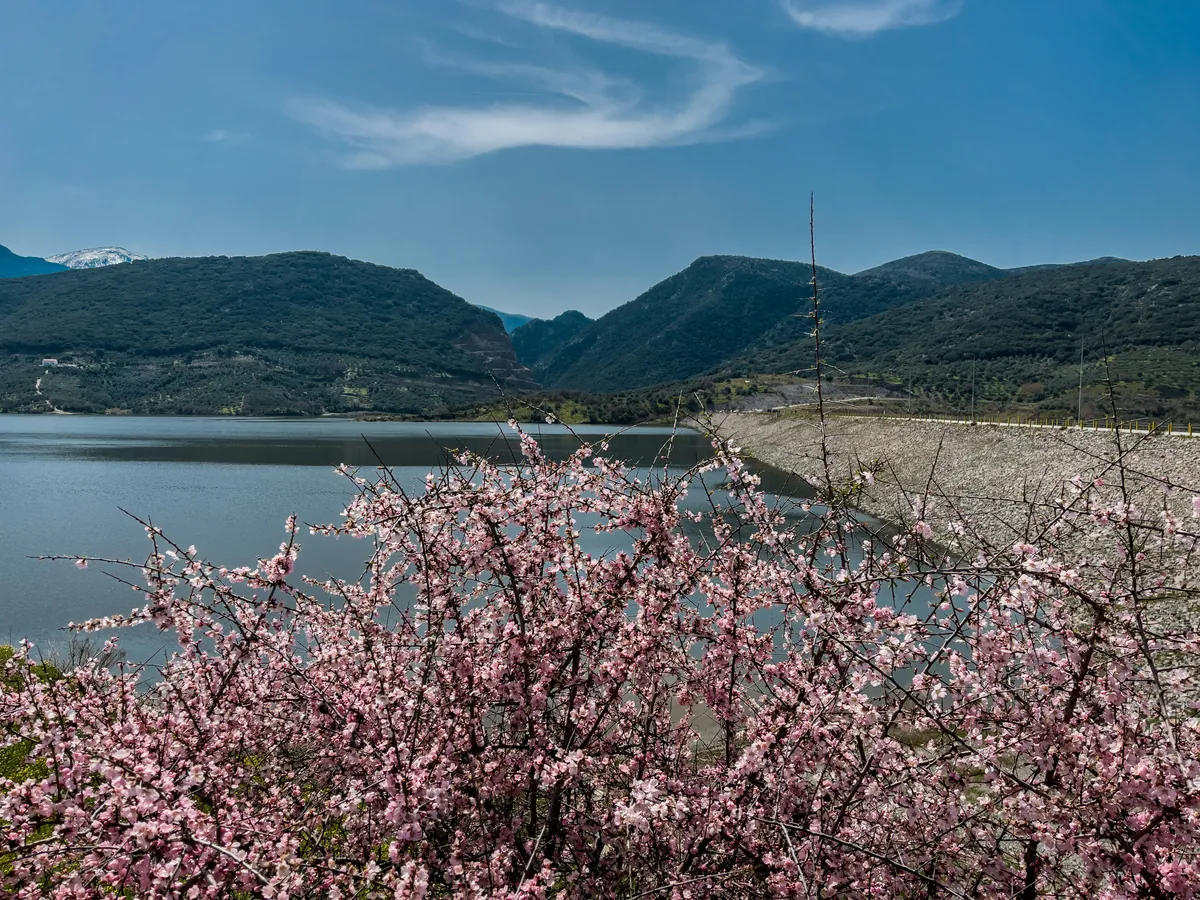
World Water Day in United Kingdom
Country-specific marketing context and ideas
Popularity in United Kingdom
World Water Day, celebrated annually on March 22, is a significant observance aimed at raising awareness about water-related issues globally. In the United Kingdom, this day garners attention from environmental groups, educational institutions, and various organizations focused on sustainability and water conservation.
For 2025, it’s anticipated that World Water Day will continue to be a prominent event, especially with the increasing emphasis on climate change and environmental sustainability in public discourse. Companies and brands in the UK are likely to engage in campaigns that promote water conservation and highlight their sustainability initiatives. Schools and universities may organize educational events, while NGOs and governmental bodies might host activities and discussions to further public engagement.
Marketing professionals can leverage this day by aligning their campaigns with the themes of water conservation and sustainability, which resonate well with the environmentally conscious UK audience. Engaging in partnerships with relevant organizations or launching initiatives that demonstrate corporate responsibility can also enhance a brand’s image and connect with the community.
Trends in United Kingdom
For World Water Day in 2025, the United Kingdom is likely to focus on several key trends that align with both global themes and local environmental priorities. Here are some expected trends:
-
Sustainability and Water Conservation: With increasing awareness around climate change and sustainability, there will be a significant emphasis on water conservation initiatives. Businesses and communities may launch campaigns to promote reduced water usage and educate the public on sustainable water practices.
-
Technology and Innovation: The UK is expected to leverage technology to address water-related challenges. Innovations in water purification, smart water management systems, and data analytics to monitor water usage could be highlighted during World Water Day events.
-
Community Engagement and Education: Educational campaigns aimed at schools and local communities are likely to be prominent. These initiatives might include workshops, interactive sessions, and educational materials to raise awareness about water issues and encourage grassroots involvement.
-
Policy Advocacy: There may be a push for stronger policies related to water management and protection. Organizations and advocacy groups could use the platform of World Water Day to call for legislative changes or increased funding for water infrastructure improvements.
-
Corporate Social Responsibility (CSR) Initiatives: Many companies in the UK might align their CSR strategies with World Water Day, launching projects or partnerships focused on improving water access or supporting global water-related causes.
-
Focus on Local Water Issues: Addressing local water challenges, such as flooding, water pollution, and the impact of urbanization on water resources, will be a critical focus. Regional events may center around these issues, aiming to engage local stakeholders in finding sustainable solutions.
These trends reflect a combination of technological, educational, and policy-driven approaches to tackle the pressing water issues facing the UK and the world.
Cultural significance
World Water Day, observed annually on March 22, holds significant cultural importance in the United Kingdom, as it does globally. It’s a day dedicated to raising awareness about the vital role of water in sustainable development and the urgent need for sustainable water management. In the UK, where environmental issues are increasingly at the forefront of public discourse, World Water Day serves as an opportunity to focus on water conservation, quality, and accessibility.
By 2025, the United Kingdom will likely place even greater emphasis on addressing water-related challenges due to ongoing climate change impacts, such as increased flooding and droughts. World Water Day will highlight the need for innovative solutions and collaborative efforts to ensure water security for all. This day also encourages educational programs and community initiatives to promote water conservation practices.
Organizations, schools, and community groups across the UK may engage in various activities, from educational workshops and social media campaigns to local clean-up events and policy discussions. These efforts aim to build a deeper understanding of the interconnectedness of water with health, economies, and ecosystems, emphasizing its critical role in achieving sustainability goals.
Moreover, World Water Day in the UK provides a platform to reflect on international water issues and the UK’s role in supporting global water security through aid and development programs. It highlights the cultural importance of water as a shared resource and a unifying element that requires collective responsibility and action.
How it is celebrated
World Water Day, observed annually on March 22, is a global event that raises awareness about the importance of freshwater and advocates for sustainable management of water resources. In the United Kingdom, the celebration of World Water Day in 2025 is likely to include a variety of activities and campaigns organized by environmental organizations, educational institutions, businesses, and community groups.
-
Educational Workshops and Seminars: Many schools and universities host workshops and seminars to educate students and the community about water conservation, the global water crisis, and innovative solutions to water-related challenges.
-
Public Awareness Campaigns: Organizations often launch campaigns to raise awareness about water issues through social media, public service announcements, and local events. These campaigns might include challenges encouraging people to reduce water waste or adopt more sustainable water practices.
-
Community Clean-up Projects: Volunteer groups and local councils may organize river and beach clean-ups to highlight the importance of protecting water bodies from pollution.
-
Corporate Initiatives: Businesses might participate by reducing their water footprint, showcasing their water sustainability efforts, or partnering with NGOs to support water-related projects.
-
Art and Cultural Events: Art exhibitions, photography contests, and cultural performances centered around water themes can engage the public creatively and promote discussion around water-related issues.
-
Policy Discussions and Advocacy: Environmental NGOs and think tanks may hold discussions or release reports advocating for policy changes to improve water management practices in the UK.
By engaging various sectors of society, World Water Day in the UK not only highlights global and local water issues but also fosters a sense of shared responsibility and action towards sustainable water use.
Marketing advice
For World Water Day 2025 in the United Kingdom, crafting a marketing campaign that resonates locally while aligning with the global theme is essential. Here are some strategies to consider:
-
Leverage Local Insights: Understand regional water issues that resonate with UK audiences, such as flood management or water conservation. Tailor your messaging to highlight these relevant topics.
-
Collaborate with Local Influencers: Partner with UK-based environmentalists, sustainability influencers, and eco-conscious celebrities who can amplify your message on social media and through public appearances.
-
Educational Content Campaigns: Develop content that educates the public about water usage and conservation. This could include infographics, videos, and interactive quizzes that engage audiences while informing them about local water issues.
-
Community Engagement Initiatives: Organize or sponsor community clean-up events, workshops on water-saving practices, or public talks with experts on water sustainability. Partner with local schools and universities for youth engagement.
-
Social Media Campaigns: Use platforms like Instagram, Twitter, and TikTok to run hashtag campaigns that encourage people to share their water-saving tips or stories. Create shareable content that highlights the importance of water conservation.
-
Partnerships with NGOs and Government Bodies: Collaborate with organizations such as WaterAid UK or the Environment Agency to enhance credibility and reach. Joint initiatives can amplify your impact and align with broader conservation efforts.
-
Innovative Technologies: Showcase new technologies or products that help conserve water. This could be through product demonstrations, case studies, or testimonials that highlight practical applications.
-
Retail and Product Promotions: For product-based companies, consider special promotions on water-saving products or donate a portion of sales to water conservation projects. Use in-store displays and online platforms to highlight these efforts.
-
CSR and PR Campaigns: Highlight your company’s commitment to water sustainability through corporate social responsibility (CSR) initiatives. Share stories of impact through press releases and media partnerships.
-
Gamification and Challenges: Engage your audience with interactive challenges, such as water-saving pledges or competitions. Offer incentives or rewards for participation to boost engagement.
Integrating these strategies with a cohesive narrative about the importance of water sustainability can help your campaign stand out while making a meaningful impact.
Marketing ideas
World Water Day, celebrated on March 22nd, offers a fantastic opportunity for brands and organizations in the UK to engage with audiences on the critical topic of water conservation and sustainability. Here are some marketing ideas to consider:
-
Collaborative Campaigns with NGOs: Partner with environmental organizations to create joint campaigns that raise awareness about water conservation. This could include co-branded content, donation matching, or joint events.
-
Interactive Social Media Challenges: Launch a campaign encouraging followers to participate in a water-saving challenge. This could involve sharing tips on reducing water usage or photos of people using water responsibly, with a unique hashtag to track participation.
-
Educational Content Series: Develop a series of short videos or infographics highlighting water issues in the UK and global solutions. Share these on social media, your website, and through email newsletters to educate your audience.
-
Eco-Friendly Product Promotions: If your brand offers products that support water conservation, use World Water Day to spotlight these items with special promotions or discounts. Highlight how purchasing these products contributes to water preservation efforts.
-
Community Clean-Up Events: Organize or sponsor local clean-up events near rivers, lakes, or beaches. Encourage employees and customers to participate and share their experiences on social media.
-
Virtual Webinars or Workshops: Host webinars with experts discussing water-related topics, such as sustainable water management or innovations in water technology. Invite industry leaders and influencers to broaden your reach.
-
Water Footprint Calculator: Create an interactive tool that allows users to calculate their water footprint and offers personalized tips on how to reduce it. Promote this tool through digital channels.
-
Storytelling Campaigns: Share real-life stories of individuals or communities affected by water scarcity and those who are making a positive impact. Use multimedia storytelling to engage audiences emotionally.
-
Art and Photography Contests: Organize contests inviting participants to submit artwork or photography depicting the importance of water. Display winning entries online and in public spaces to increase visibility.
-
Collaborative Blogging or Guest Posts: Partner with bloggers and influencers to write guest posts or create content focused on water conservation themes. This can expand your reach and influence.
-
Local School Initiatives: Engage with schools to launch educational initiatives, such as competitions or projects focused on water conservation. Provide resources and support for these programs.
-
Sustainable Partnerships: Collaborate with local businesses that share your commitment to water conservation to create bundled promotions or joint events that highlight sustainable practices.
These ideas can help you not only raise awareness about the importance of water conservation on World Water Day but also strengthen your brand’s commitment to sustainability and community engagement.
Marketing channels
For promoting ‘World Water Day’ in the United Kingdom in 2025, consider leveraging a mix of both digital and traditional marketing channels to reach a broad audience effectively:
-
Social Media Marketing: Platforms like Instagram, Facebook, and Twitter are excellent for creating engaging content such as infographics, videos, and stories that highlight the importance of water conservation. TikTok can also be effective for reaching younger audiences with creative, short-form content.
-
Content Marketing: Develop blog posts, articles, and educational materials about water-related issues. Collaborate with environmental bloggers and influencers to expand reach.
-
Email Marketing: Use newsletters to engage with subscribers by sharing informative content on water conservation and updates about World Water Day events.
-
Public Relations: Engage with local and national media outlets to secure coverage on water issues. Press releases and media kits can help attract journalists’ attention.
-
Events and Activations: Organize virtual events, webinars, or live Q&A sessions with water experts. Consider community-based activities like clean-up drives or workshops in partnership with local organizations.
-
Paid Advertising: Utilize Google Ads and social media advertising to target specific demographics interested in environmental issues. Geotargeting can help reach specific regions that face water challenges.
-
Partnerships: Collaborate with NGOs, schools, and businesses to amplify the message. Joint campaigns can leverage shared audiences and resources for greater impact.
-
Influencer Collaborations: Partner with eco-conscious influencers and celebrities to advocate for water conservation. Their reach can significantly enhance awareness and engagement.
-
Outdoor Advertising: Use billboards and posters in high-traffic areas to raise awareness about World Water Day themes and local events.
-
Podcasts and Radio: Participate in or sponsor environmental podcasts and radio shows to discuss water-related topics, reaching audiences who prefer audio content.
A multi-channel approach ensures a wider reach and increased impact, engaging various segments of the population effectively.
Marketing examples
For a successful hypothetical marketing campaign for World Water Day 2025 in the United Kingdom, consider the following approach:
Campaign Name: “H2O Heroes: Every Drop Counts”
Objective: Raise awareness about water conservation and inspire action to protect water resources in the UK.
Target Audience: Primarily young adults (ages 18-35) who are environmentally conscious and active on social media.
Key Components:
-
Interactive Digital Experience: Create an engaging online platform where users can simulate their daily water usage and receive personalized tips on how to reduce water consumption. This could be gamified to encourage competition and sharing among peers.
-
Social Media Challenge: Launch a “One Less Drop” challenge on platforms like Instagram and TikTok, where participants are encouraged to share videos or photos of themselves adopting water-saving practices. For every post with the hashtag #H2OHeroes, a sponsor donates to a water conservation charity.
-
Influencer Partnerships: Collaborate with eco-friendly influencers and sustainability advocates who resonate with the target audience. They can share their water-saving habits and encourage followers to join the challenge, amplifying the campaign’s reach.
-
Community Events: Host local water conservation workshops in partnership with community centers and environmental organizations. These events could include talks from experts, demonstrations of water-saving technologies, and opportunities to engage in local conservation projects.
-
Educational Content: Develop compelling content, such as short documentaries or animated videos, highlighting the importance of water conservation and the impact of water scarcity. Disseminate this through social media, YouTube, and educational platforms.
-
Partnership with Retailers: Collaborate with eco-conscious brands to offer discounts or incentives for purchasing water-saving products during the campaign period. This could include items like water-efficient showerheads or reusable water bottles.
-
Media Outreach: Secure coverage in major UK media outlets, including online publications, TV, and radio, to discuss the campaign and its goals. Feature stories about individuals or communities making significant strides in water conservation.
-
Measurement and Feedback: Use analytics tools to track engagement across digital platforms and gather feedback through surveys to assess the campaign’s impact. Share results with participants to demonstrate collective achievements and encourage continued efforts.
By combining interactive elements, social media engagement, and community involvement, this campaign can effectively raise awareness and drive meaningful action for World Water Day 2025 in the UK.