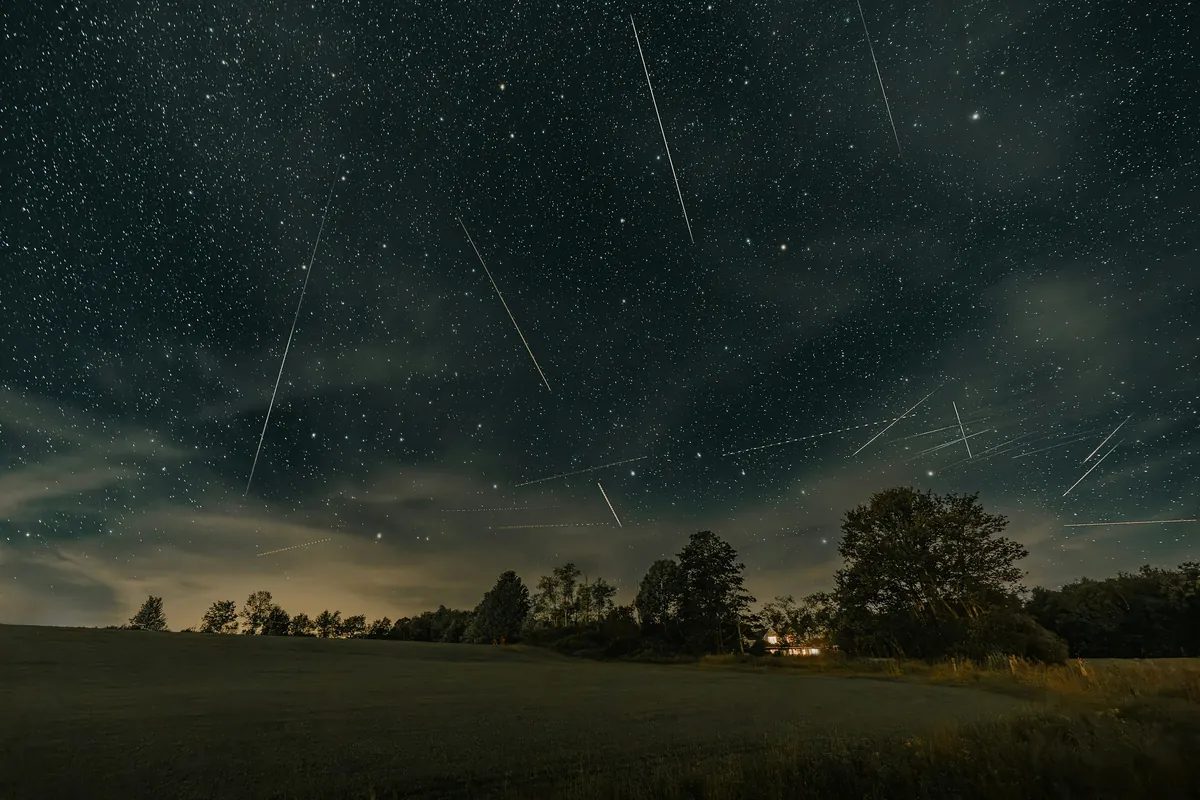
Perseid Meteor Shower in United Kingdom
Country-specific marketing context and ideas
Popularity in United Kingdom
I can help, but I need to clarify what you mean by “how popular” in the United Kingdom for 2026.
That could mean several different things, for example:
-
Google Search interest / Trends popularity
- How often people in the UK search for “Perseid Meteor Shower” in 2026 -
Social media popularity
- Mentions or engagement on platforms like X, Instagram, TikTok, or Facebook -
Public interest / event attendance
- Interest in astronomy events, observatory programs, or local stargazing meetups -
Projected popularity
- An estimate of how popular it is likely to be in 2026 based on historical seasonal patterns
If you want, I can provide either of these right away:
- a Google Trends-style popularity estimate for the UK in 2026
- a marketing-oriented forecast of likely interest peaks around August 2026
- a keyword popularity overview for “Perseid Meteor Shower” in the UK
- a comparison with related terms like:
- “meteor shower”
- “Perseids”
- “shooting stars”
If your goal is marketing or content planning, the most useful version is usually a UK search-interest forecast by month for 2026.
Trends in United Kingdom
For the United Kingdom in 2026, interest in the Perseid Meteor Shower is likely to follow a few clear patterns across search, media coverage, and public engagement:
1. Strong seasonal spike in early to mid-August
In the UK, the Perseids are one of the most recognized annual astronomy events, so attention typically rises sharply in the first half of August, peaking around the shower’s maximum activity, usually around 11–13 August.
This tends to drive:
- spikes in Google searches
- increased traffic to weather and astronomy sites
- short-term social media buzz
- last-minute searches for viewing advice such as “best time to see Perseids UK” or “cloud cover tonight”
2. Weather-led interest is especially pronounced
A UK-specific pattern is how heavily public interest depends on cloud cover forecasts. Because viewing conditions in Britain can be inconsistent, search behaviour often shifts from general event interest to highly practical queries such as:
- “Perseid meteor shower UK weather”
- “clear skies tonight UK”
- “best places to stargaze near me”
- “Perseid meteor shower visible in England/Scotland/Wales”
This means engagement often surges not just on the peak night, but also on any nearby evenings forecast to have clearer skies.
3. Regional variation matters more than in many other markets
In the UK, audiences often look for region-specific visibility updates rather than national guidance. Interest tends to break down by:
- Scotland: valued for darker skies and rural viewing spots
- Wales: strong appeal around dark sky reserves
- Northern England and rural South West: popular for escape-from-city-light-pollution content
- London and other major cities: high search volume, but more intent around “where to drive for dark skies”
For marketers, this creates an opportunity for localised content, not just a single UK-wide message.
4. Dark skies and rural tourism content perform well
The Perseids in the UK often connect with staycation, outdoor leisure, and destination marketing. Tourism boards, campsites, glamping brands, and national parks can benefit from increased demand for:
- dark sky viewing locations
- overnight countryside breaks
- family-friendly stargazing events
- astronomy-themed local experiences
In 2026, this is likely to remain relevant, especially if the peak aligns with school holidays, which can broaden family participation.
5. Media coverage tends to be practical rather than scientific
UK coverage usually focuses less on deep astronomy education and more on usable audience guidance:
- when to watch
- whether skies will be clear
- what time is best
- whether you can see it without equipment
- where to go nearby
This makes the event highly compatible with SEO, publisher partnerships, travel content, and weather-adjacent campaigns.
6. Social content is driven by shareable viewing moments
In the UK, social engagement around the Perseids is often boosted by:
- user-generated sky photos
- “did anyone just see that?” real-time posts
- location recommendations
- short explainers from science communicators and weather presenters
Brands with a visual or experiential angle can tap into this by creating: - location guides - live viewing reminders - simple skywatching checklists - event-night social activations
7. Interest may be sensitive to moon phase and visibility conditions
For 2026 specifically, public interest in the UK will likely be shaped not just by the shower itself, but by whether moonlight interferes with visibility and whether skies are clear around the peak. When conditions are favourable, UK media and search interest can overperform versus a typical year. When conditions are poor, interest still rises, but content shifts more toward forecasts, alternatives, and “best night to watch instead” angles.
What this means from a marketing perspective
For a UK audience in 2026, the Perseid Meteor Shower is best treated as a short-lived, weather-sensitive, regionally nuanced cultural moment. The strongest opportunities are likely to come from:
- timely content publishing in late July and early August
- regional landing pages or local viewing guides
- weather-responsive messaging
- travel and outdoor experience tie-ins
- mobile-first, last-minute content formats
If helpful, I can also turn this into:
1. a UK search trends forecast,
2. a content calendar for August 2026, or
3. SEO keyword ideas specific to the UK.
Cultural significance
In the United Kingdom, the Perseid Meteor Shower in 2026 is likely to carry cultural significance less as a formal holiday or historic national observance and more as a shared seasonal experience that blends science, folklore, nature, and public togetherness.
Why it matters culturally in the UK
1. A familiar part of the British summer sky
The Perseids appear every August, which places them in a period strongly associated in the UK with: - school holidays - camping trips - countryside visits - late-evening outdoor gatherings
Because of this timing, the shower has become part of the rhythm of summer for many people. Even those with little interest in astronomy may recognize it as “the meteor shower you might see in August.”
2. A bridge between folklore and science
In British cultural life, sky events often sit at the intersection of: - older storytelling traditions - amateur astronomy - public science education
Meteor showers can evoke older ideas about omens, wonder, and “shooting stars,” while modern observance tends to focus on astronomy clubs, observatories, and science media. In that sense, the Perseids reflect a broader UK cultural pattern: taking a natural spectacle and interpreting it through both heritage and scientific curiosity.
3. Public stargazing culture
The UK has a strong network of: - local astronomical societies - dark-sky parks and reserves - museums, science centres, and observatories
Events like the Perseids often inspire community viewing nights, press coverage, radio discussion, and social media sharing. Their significance comes partly from how they encourage people to reconnect with the night sky in a country where cloud cover and light pollution often make stargazing feel special when conditions are good.
4. A moment of collective wonder
In British culture, especially in recent years, accessible natural events have gained value as low-cost, inclusive experiences. The Perseids can be watched without tickets, equipment, or specialist knowledge. That gives them a democratic appeal: - families watch from gardens - friends gather in parks or rural spots - photographers and hobbyists travel to darker areas
This kind of event fits well with contemporary UK interest in mindful outdoor experiences and “simple pleasures.”
Specific relevance for 2026
For 2026, the cultural significance would likely depend heavily on visibility conditions in the UK, including: - weather - moonlight - media attention - public astronomy programming
If skies are favorable, the Perseids could become a widely discussed summer event, especially through: - BBC and UK news coverage - National Trust or dark-sky tourism promotion - local observatory events - social media photography and viewing tips
If visibility is poor, the shower would still matter culturally, but more as a recurring annual marker in the British astronomical calendar than as a major public spectacle.
Not a formal national celebration
It’s important to note that in the UK the Perseid Meteor Shower is not traditionally tied to a major religious, civic, or state ceremony. Its significance is mostly: - informal - experiential - educational - seasonal
So rather than being “culturally significant” in the sense of a traditional festival, it is better understood as a widely appreciated natural event that resonates with British interests in astronomy, countryside life, and shared public experience.
In one sentence
In the United Kingdom, the Perseid Meteor Shower in 2026 is culturally significant as an annual August sky event that brings together public science, seasonal outdoor culture, and a sense of collective wonder, even though it is not a formal national tradition.
How it is celebrated
In the United Kingdom, the Perseid Meteor Shower in 2026 is not typically “celebrated” as a formal public holiday or traditional festival, but it is widely enjoyed as a seasonal skywatching event.
How people in the UK usually mark it
-
Stargazing outings
Many people head to dark-sky locations, countryside areas, national parks, beaches, or hills to watch the meteors. -
Astronomy clubs and observatories
Local astronomy societies, observatories, and science centres often organise: - public viewing nights
- guided meteor-watching events
- talks about the night sky
-
beginner-friendly astronomy sessions
-
Camping and overnight gatherings
Some families, couples, and groups of friends combine the shower with camping trips or late-night picnics, especially if the weather looks promising. -
Photography
Amateur and professional photographers often try to capture long-exposure images of meteors, which has become a popular way to engage with the event. -
Media and educational coverage
UK news outlets, weather services, and astronomy organisations often publish: - best viewing times
- moonlight and weather conditions
- tips on where to watch
- advice for watching without telescopes or binoculars
Typical atmosphere
The Perseids are usually treated more as a nature and astronomy experience than a celebration with customs, decorations, or food traditions. The mood is often: - quiet - communal - outdoors-focused - educational - tied to appreciation of the night sky
What to expect in 2026
In 2026, people in the UK will likely observe it in the same way: - looking for the peak nights in August - travelling to darker areas away from city light pollution - checking weather forecasts carefully, since UK cloud cover often affects visibility - attending events hosted by astronomy groups if available
If you want, I can also give you:
1. the expected peak dates for the Perseids in the UK in 2026, or
2. a list of the best UK places to watch them.
Marketing advice
Plan UK campaigns around the Perseid Meteor Shower peak on 12–13 August 2026, promoting late-evening and pre-dawn experiences when skies are darkest and tying creative to “summer night” moments that suit family outings, travel, outdoor retail, and hospitality. Use geo-targeted ads and localised content that highlight dark-sky spots, weather-dependent viewing tips, and simple prep such as blankets, hot drinks, and mobile photography, while partnering with UK venues, campsites, and tourism boards for last-minute offers. Make messaging explicitly weather-flexible for British audiences, with contingency promotions if cloud cover is likely, and schedule paid and social activity to ramp up 7–10 days before the peak.
Marketing ideas
Build a “Perseid Watch Weekend” campaign around the 2026 peak in the UK, partnering with dark-sky parks, glamping sites, and countryside pubs to sell bundled experiences like late-night picnic hampers, telescope hire, and themed overnight stays. Run geo-targeted social ads in cities such as London, Manchester, and Birmingham promoting easy escape routes to top viewing spots, and add a user-generated content contest for the best meteor photos or time-lapse videos with prizes from travel, outdoor, or camera brands.
Marketing channels
For the Perseid Meteor Shower in the United Kingdom in 2026, the most effective channels are social media, search marketing, email, and PR/event listings. Social platforms like Instagram, TikTok, Facebook, and YouTube work well because the event is highly visual and shareable, while Google Search and YouTube capture strong intent from people looking for viewing times, dark-sky locations, and weather updates. Email is effective for astronomy groups, tourism audiences, and family event subscribers, and PR through local news, radio, tourism sites, and event calendars helps reach broad regional audiences planning summer activities.
Marketing examples
Here’s a strong hypothetical 2026 marketing campaign for the Perseid Meteor Shower in the United Kingdom, designed as if it were led by a tourism, outdoor lifestyle, or media partnership brand.
Campaign Example:
“Stay Up for the Stars: Perseids UK 2026”
Campaign Type
Integrated seasonal awareness campaign combining tourism, experiential marketing, social media, local partnerships, and branded content
Brand Fit
This campaign could be run by: - VisitBritain - A UK countryside or national park tourism board - A telescope, outdoor gear, or camera brand - A telecom or media company sponsoring shared viewing experiences - A rail or travel brand promoting late-summer getaways
1. Campaign Objective
Position the Perseid Meteor Shower as the UK’s must-experience late summer event, encouraging people to: - travel to dark-sky destinations - book overnight stays - engage with branded content and live viewing events - share user-generated content across social platforms
Primary goals
- Increase awareness of the Perseid peak in August 2026
- Drive tourism to rural and dark-sky locations in the UK
- Generate social conversation around a culturally relevant natural event
- Build brand association with wonder, exploration, and shared experiences
2. Core Insight
Most people have heard of meteor showers, but few plan around them.
The campaign turns the Perseids from a passive astronomy event into an anticipated social ritual: - a reason to escape cities - a reason to reconnect with nature - a highly shareable nighttime experience - a low-cost but emotionally high-value summer activity
In the UK market especially, the appeal comes from: - “hidden gem” travel experiences - short breaks and staycations - weather anxiety offset by flexible local planning - social-media-worthy experiences with authentic emotional value
3. Big Idea
“Stay Up for the Stars”
A campaign built around the notion that some moments are worth losing sleep for.
It reframes the Perseid Meteor Shower as: - the most magical late-night plan of the summer - a shared national moment - a reason to travel, gather, and look up
4. Target Audience
Primary
- 25–44-year-old couples, friendship groups, and young families
- Urban professionals seeking short UK getaways
- Experience-led travellers
- Socially active Instagram/TikTok users
Secondary
- Amateur photographers and stargazers
- Parents seeking educational summer holiday activities
- Outdoor enthusiasts and campers
- Cultural explorers interested in seasonal events
5. Campaign Elements
A. Dark Sky Destination Map
A branded interactive map featuring top UK viewing locations, such as: - Northumberland International Dark Sky Park - Brecon Beacons / Bannau Brycheiniog - Exmoor - Snowdonia / Eryri - Cairngorms - Yorkshire Dales - Isle of Skye
Features:
- live cloud cover integration
- best viewing windows
- nearby accommodation and travel options
- “meteor readiness” tips
- photo spots and local event listings
This makes the campaign practical, not just inspirational.
B. “Meteor Night Kits”
Partner hotels, glamping sites, and outdoor retailers offer bookable or purchasable Perseid-themed kits with: - blankets - hot chocolate sachets or local drinks - red-light torches - printed star maps - branded thermos mugs - beginner stargazing guides
This creates both sponsorship and upsell opportunities.
C. Social Video Campaign
Short-form content across TikTok, Instagram Reels, and YouTube Shorts: - “3 UK places to watch the Perseids this August” - “What time to see the Perseid peak in Britain” - “City escape ideas for meteor shower weekend” - creator-led overnight trips to dark-sky locations - timelapse footage from previous years
Messaging style
Aspirational, practical, and emotionally warm: - romance - wonder - escapism - fleeting natural beauty
D. Live “Look Up UK” Events
Small-scale branded viewing events in high-potential locations: - rooftop venues in major cities with telescope feeds to dark-sky sites - guided watch parties in national parks - influencer-hosted campfire livestreams - pop-up astronomy talks with experts
This broadens access for audiences who can’t travel far.
E. User-Generated Content Mechanic
Hashtag:
#StayUpForTheStars
People share: - night-sky photos - travel stories - meteor wish moments - campsite setups - group viewing experiences
Incentive:
Weekly